
Ashwagandha, scientifically known as Withania somnifera, is an evergreen shrub native to the dry regions of India, the Middle East, and parts of Africa. Often referred to as Indian ginseng or winter cherry, it has been a cornerstone of Ayurvedic medicine for over 3,000 years. The Sanskrit name "ashwagandha" translates to "smell of a horse," alluding to the root's distinct odor and its reputed ability to impart the strength and vitality of a stallion.
Today, ashwagandha extracts have surged in popularity worldwide as a dietary supplement. Available in forms ranging from capsules and teas to powders that can be mixed into smoothies or golden milk, it appeals to those seeking natural support for modern-day challenges like chronic stress, poor sleep, and mental fatigue. Emerging clinical research suggests promising benefits, particularly in stress reduction and sleep improvement, though more large-scale studies are needed to fully substantiate all traditional claims.
Ashwagandha belongs to the Solanaceae family. Its bioactive compounds, primarily steroidal lactones known as withanolides, along with alkaloids, saponins, and other phytochemicals, are thought to drive its effects. These compounds may modulate the hypothalamic-pituitary-adrenal (HPA) axis, which regulates the body's stress response, helping to balance cortisol levels.
Unlike synthetic pharmaceuticals, ashwagandha works holistically as an adaptogen. It does not stimulate or sedate directly but helps normalize physiological functions depending on the body's needs. For instance, it may calm an overactive nervous system in stressed individuals while potentially supporting energy and focus in others experiencing burnout.
The National Institutes of Health (NIH) Office of Dietary Supplements highlights that most commercial supplements use root extracts, though some incorporate leaves. Standardization to withanolide content, often 2.5% to 5% or higher, ensures consistency, as raw plant material can vary based on growing conditions, harvest time, and processing methods.
One of the most well-studied applications of ashwagandha is its potential to alleviate stress and anxiety. A 2021 systematic review of seven randomized controlled trials involving 491 adults found that ashwagandha extracts significantly reduced perceived stress and anxiety scores compared to placebo. Participants experienced lower levels of serum cortisol, alongside improvements in sleeplessness and fatigue. Doses between 500–600 mg per day of standardized root extract often showed stronger effects.
In one notable trial from India, 300 mg daily of a sustained-release ashwagandha root extract over 90 days improved stress markers, sleep quality, psychological well-being, memory, and focus.
Ashwagandha is commonly used for anxiety and stress management, though benefits are not fully defined and more research is warranted.
Sleep disturbances affect millions globally, and ashwagandha shows promise here too. A 2021 meta-analysis of five studies with 372 adults found small but significant improvements in sleep parameters, including quality, onset latency, total sleep time, and efficiency. Benefits were more pronounced at 600 mg daily doses and in individuals with insomnia, with effects building over 8 weeks or longer.
Experts suggest ashwagandha may help restore circadian rhythm balance by modulating cortisol in the evening and supporting melatonin pathways indirectly.
Many users incorporate ashwagandha powder into warm milk or herbal teas before bed for its mild calming effect, though individual responses vary.
Preliminary evidence indicates ashwagandha may support brain health under stress. Trials have reported enhancements in memory, focus, multitasking, and overall cognitive performance, particularly in stressed or anxious individuals. One study noted improved mental clarity and well-being after consistent use. These effects likely stem from reduced cortisol, which can otherwise impair hippocampal function and neurotransmitter balance.
While not a nootropic in the pharmaceutical sense, ashwagandha's adaptogenic properties may help maintain cognitive resilience during demanding periods, such as exam seasons or high-pressure work environments.
Ashwagandha has been traditionally used to boost vitality and physical endurance. Some clinical data support reduced fatigue, especially in overweight or stressed populations. Athletes and active individuals sometimes report better recovery and sustained energy, potentially linked to withanolides' influence on mitochondrial function and inflammation markers.
Traditional Ayurvedic texts also praise it for male vitality, with some modern studies observing modest testosterone increases in certain groups, though results are inconsistent and more research is needed.
Emerging research explores ashwagandha's role in immune modulation, blood sugar regulation, and inflammation control, but evidence remains preliminary. It is not FDA-approved to treat any disease, and claims should be viewed cautiously. While used for depression and insomnia, rigorous data is still developing.
Clinical studies on ashwagandha extracts typically use standardized dosage ranges, which provide useful reference points for nutraceutical formulation design. In commercial product development, dosage levels are adjusted based on extract potency, target function, and regulatory considerations across different markets. This flexibility allows manufacturers to tailor formulations for different positioning, such as stress support, sleep health, or cognitive products.
For manufacturers, the performance of ashwagandha-based products depends not only on its biological activity, but also on extract standardization, taste profile, and formulation compatibility. Factors such as bitterness, solubility, and consistency across batches can significantly impact the final product experience and scalability in production.
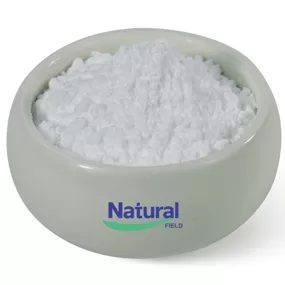
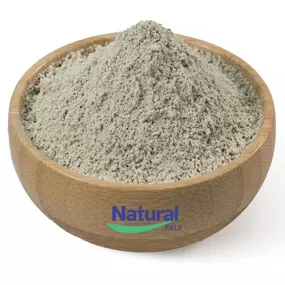
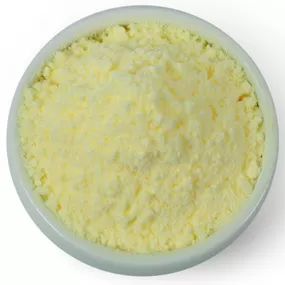
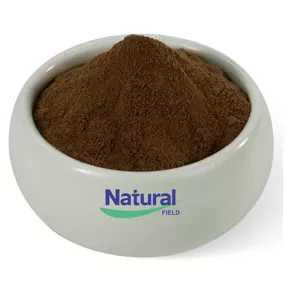
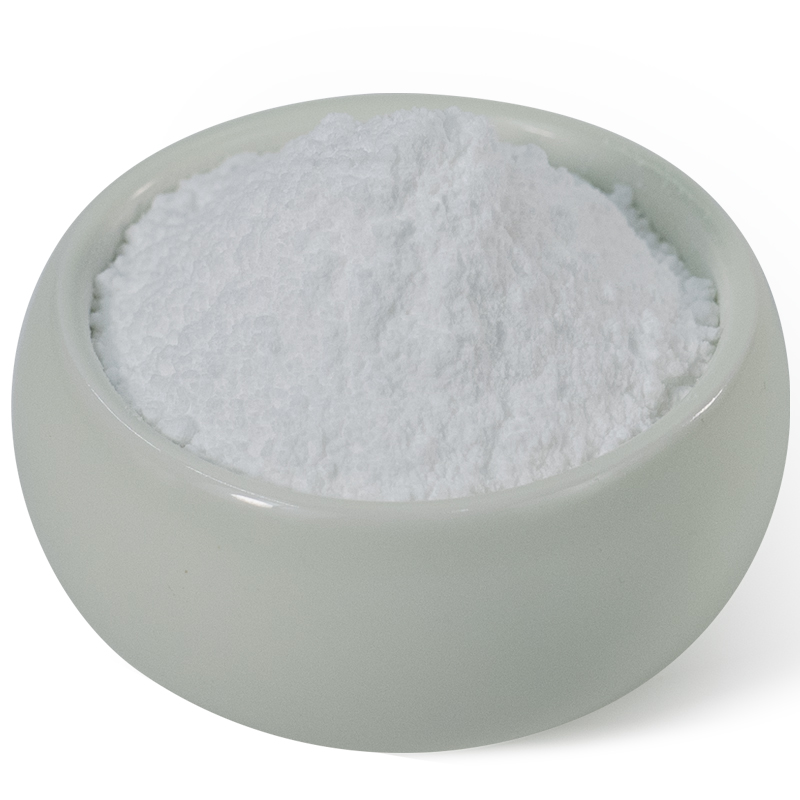
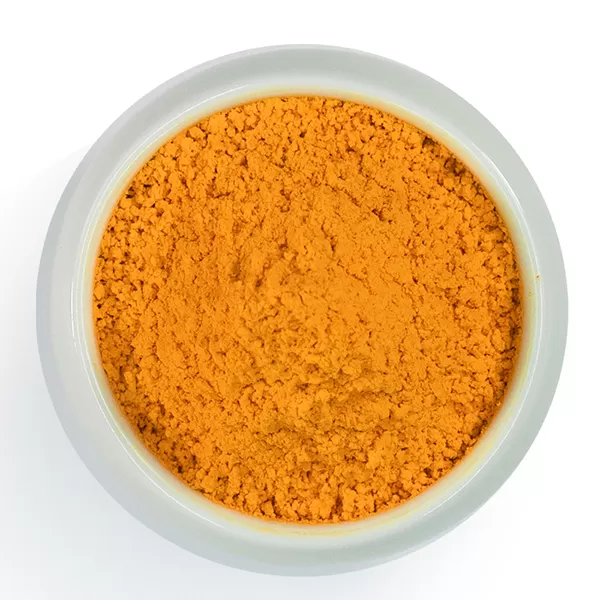
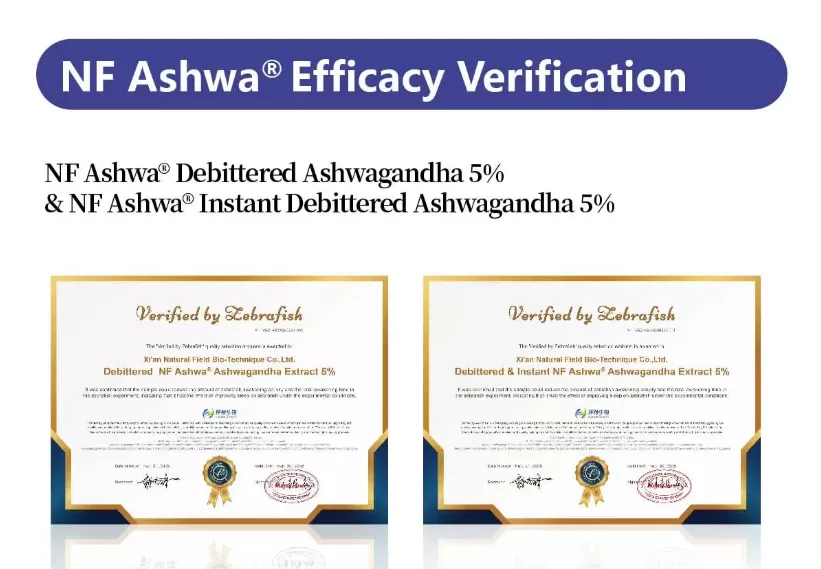
When selecting an ashwagandha supplement, quality, standardization, and solubility matter significantly for both efficacy and user experience. Natural Field offers a standout option with its NF Ashwa Ashwagandha Extract Powder, an instant debittered extract standardized to 5% withanolides, produced through an innovative bio-extraction process that reduces the characteristic bitterness of traditional ashwagandha while preserving its active compounds.
What sets NF Ashwa apart is its use of whole-plant extraction rather than root-only, allowing retention of over 30 withanolide variants, polysaccharides, and flavonoids for potential synergistic benefits. The process specifically removes Withaferin A (a compound sometimes associated with toxicity concerns) while enhancing overall functionality. With excellent solubility, demonstrating rapid dispersion in water at concentrations like 0.5g/50ml, it mixes seamlessly into functional beverages, health foods, capsules, tablets, or powders without clumping or unpleasant aftertaste.
Each batch undergoes HPLC testing in CNAS-certified labs, comes with full Certificates of Analysis (COA) and Material Safety Data Sheets (MSDS), and meets stringent international standards including FSSC22000, KOSHER, HACCP, ISO9001, ISO22000, HALAL, and USP guidelines.
Whether you're formulating a premium supplement line or simply adding it to your daily routine, Natural Field's NF Ashwa provides a reliable, science-aligned choice backed by traceable quality assurance.
Ashwagandha extract represents a key ingredient bridging traditional herbal knowledge and modern nutraceutical development. As scientific research continues to evolve, its role in stress support, sleep health, and cognitive balance is gaining increasing attention in global markets.
From a commercial perspective, the success of ashwagandha-based products depends largely on raw material quality, extract standardization, and formulation adaptability. Selecting a reliable, well-characterized ingredient is essential for ensuring product consistency and market competitiveness.
Natural Field’s NF Ashwa Ashwagandha Extract Powder is designed to meet the needs of professional buyers and manufacturers, offering stable quality, improved taste profile, and excellent formulation compatibility. It is widely used in the development of functional foods, dietary supplements, and customized nutraceutical solutions.
For brands and product developers seeking to build differentiated formulations, working with experienced ingredient suppliers can significantly streamline development and improve product performance at scale.

Professor and Ph.D. Supervisor, School of Pharmaceutical Sciences, Southern Medical University. Head of the Functional Ingredient R&D Center, Natural Field. Professor Chong Li is a distinguished researcher in the field of advanced drug delivery systems and pharmaceutical technology innovation.
 EN
EN
 es
es  jp
jp  ko
ko  fr
fr  de
de  it
it  ru
ru  pt
pt  th
th  ar
ar  ms
ms