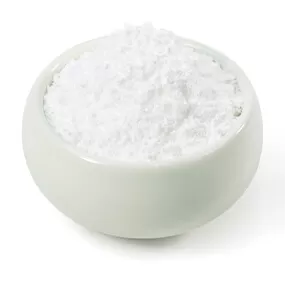

In this era of pursuing health and longevity, a natural compound called resveratrol is increasingly gaining global attention. From premium red wines to high-end skincare products, from dietary supplements to cutting-edge medical research, resveratrol seems to be everywhere. Initially produced as a plant defense mechanism, why has this substance sparked such intense interest in the scientific community and the general public? Is there solid scientific evidence to support its claimed benefits, such as anti-aging, cardiovascular protection, and anti-cancer effects?
Resveratrol is widely distributed in nature and can be found in over 70 plant species, including familiar ones such as grapes (especially grape skins), peanuts, mulberries, blueberries, and Japanese knotweed.
The reason resveratrol has garnered such attention lies in its broad spectrum of biological and pharmacological activities. Scientific research suggests that this natural compound may offer multiple health benefits for the human body:
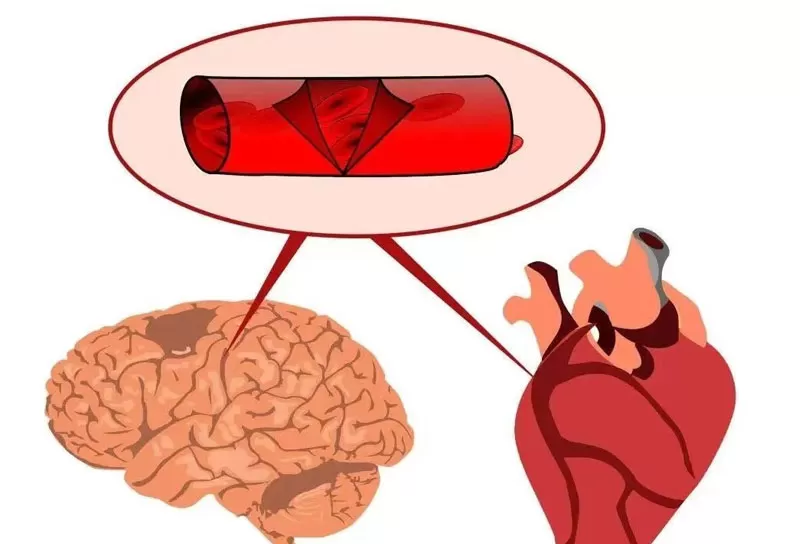
Improved Vascular Function: A 6-month study on patients with metabolic syndrome found that daily intake of 100mg resveratrol significantly enhanced flow-mediated dilation (FMD), a key indicator of vascular health, by improving endothelial cell function.
Anti-Thrombotic Effects: In a double-blind, placebo-controlled study involving 75 participants over one year, resveratrol significantly reduced levels of plasminogen activator inhibitor-1 (PAI-1), a critical factor in blood clot formation, while also improving inflammatory markers such as C-reactive protein (CRP) and tumor necrosis factor-alpha (TNF-α).
Cholesterol Regulation: Resveratrol interacts with human estrogen receptors, helping regulate cholesterol metabolism. It lowers levels of "bad cholesterol" (LDL) while inhibiting platelet aggregation, thereby promoting better blood circulation.
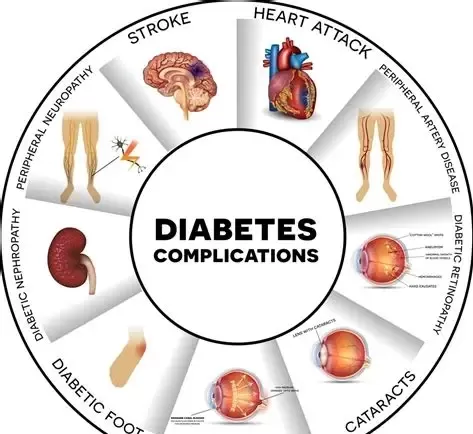
Improved Glycemic Markers: A study on obese individuals found that daily intake of 150mg resveratrol (DSM-patented resVida) for 30 days significantly reduced blood glucose levels (↓4.2%) and insulin concentrations (↓13.7%).
Comprehensive Metabolic Benefits: A meta-analysis of 11 studies (involving 388 diabetic patients) demonstrated that resveratrol improved fasting blood glucose, insulin, and HbA1c (glycated hemoglobin) levels—though these effects were not as pronounced in non-diabetic populations.
Combating Alzheimer's Disease: Animal studies have confirmed that resveratrol can reduce the abnormal aggregation of beta-amyloid and tau proteins—two hallmark pathological features of Alzheimer's disease.
Activating Cellular Autophagy: Resveratrol is recognized as one of the most potent natural activators of SIRT1, capable of regulating cellular autophagy through multiple pathways to effectively clear abnormal protein aggregates in neurons. This is of significant importance in preventing and treating various neurodegenerative diseases.
Improving Cognitive Function: A study involving overweight individuals aged 50-75 found that a daily intake of 200mg of resveratrol for 26 weeks not only improved metabolic markers but also enhanced memory performance and strengthened functional connectivity in the hippocampus—the key brain region responsible for long-term memory formation.
Activating Longevity Genes: Resveratrol can significantly activate SIRT1 (silent information regulator 1), an NAD+-dependent histone deacetylase involved in regulating cell cycle, aging, apoptosis, and metabolism.
Mimicking Caloric Restriction: The scientific community considers caloric restriction (reducing intake by 20-40%) one of the most effective methods for extending lifespan. Interestingly, some of the biological effects of resveratrol resemble those of caloric restriction. Animal studies have shown that mice fed a high-calorie diet while supplemented with resveratrol experienced a 31% reduction in mortality.
Antioxidant Defense: As a potent antioxidant, resveratrol scavenges free radicals, inhibits lipid peroxidation, and regulates antioxidant enzyme activity, thereby slowing the cellular aging process.
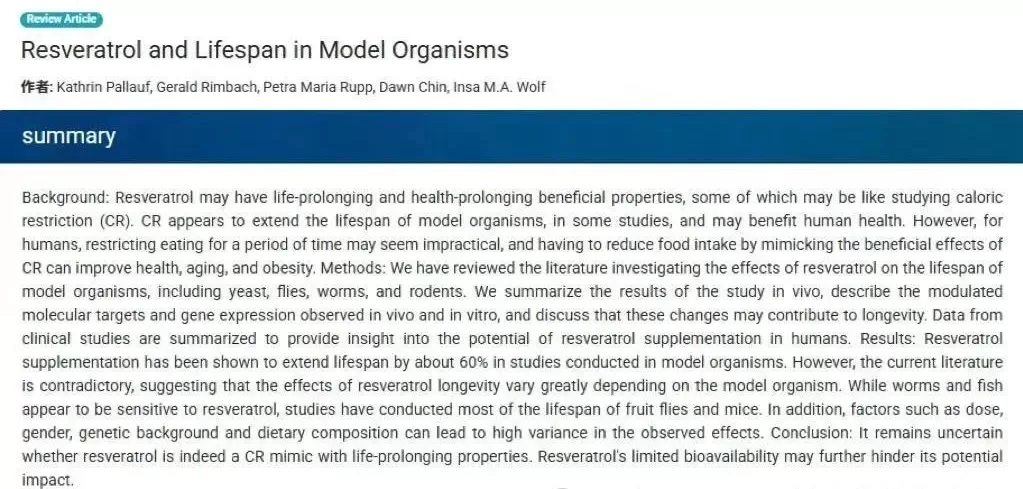
Inhibiting Inflammatory Factors: Studies show that 20mg/kg of resveratrol can significantly reduce lipopolysaccharide-induced TNF-α and IL-1β levels, decreasing them from 53.9pg/mL to 16.7pg/mL and from 403.0pg/mL to 88.4pg/mL, respectively.
Protecting Glial Cells: Experiments confirm that 25-50μmol/L of resveratrol can markedly inhibit LPS-induced release of inflammatory mediators in astrocytes, improving cellular damage. This protective effect may be related to the suppression of the iNOS/NO signaling pathway.
Improving Ulcerative Colitis: In a 6-week double-blind controlled study involving 56 patients with mild to moderate ulcerative colitis, daily intake of 500mg resveratrol not only reduced the oxidative stress marker malondialdehyde (MDA) but also enhanced total antioxidant capacity and superoxide dismutase (SOD) activity. Additionally, it significantly improved disease activity and quality of life.
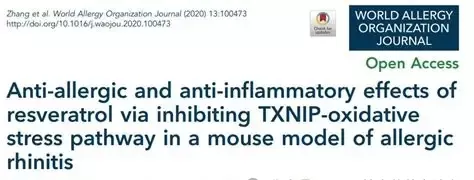
Undoubtedly, resveratrol is a precious gift from nature to humanity, with its multifaceted biological activities offering new approaches for preventing and treating various diseases. However, we must maintain scientific rationality—"resveratrol is not a panacea." As research progresses, we look forward to a more comprehensive understanding of its mechanisms of action and the development of more effective applications, allowing this remarkable natural compound to better serve human health!
Reference:
Zhuang, Y., Huang, H., Quan, M., Yin, J., Yin, Y., & He, S. (2019). Biological properties and its mechanism of resveratrol. Acta Laser Biology Sinica, *28*(3), 212.
Jiang, S., Zhu, R., Zhang, F., Liu, C., & Wu, X. (2006). Method for extracting resveratrol in Radix et Rhizoma Polygoni Cuspidati and technique optimization. Journal of Nanjing University of Traditional Chinese Medicine, *22*(3), 197–199.
Bushir Heart Center. (2025). Resveratrol improves lipid profile and recovers heart function in postoperative CABG patients. Molecular and Cellular Biochemistry.
Zhou, Z., & Liu, B. (2013). Resveratrol rescues SIRT1-dependent adult stem cell decline and alleviates progeroid features in laminopathy-based progeria. Cell Metabolism, *17*(5), 712–724.
Zhou, Z. (2012). Red grape skin compound delays aging symptoms. China News Agency.
Zhang, Q. (Ed.). (2020). Resveratrol ameliorates chronic high altitude exposure-induced oxidative stress and suppresses lipid metabolism alteration in rats. European Journal of Lipid Science and Technology.
Smith, J. A. (2018). The effects of resveratrol on oxidative stress and muscle atrophy [Doctoral dissertation]. University of Florida.
He, D., Zhao, Y., Chen, D., & Liu, J. (2017). Protective effect of resveratrol on renal ischemia-reperfusion injury in rats and its mechanism. Global Traditional Chinese Medicine, *34*(6), 352–355.
He, D., Zhao, Y., Chen, D., & Liu, J. (2020). Inhibitory effect of resveratrol on the inflammatory aging induced by lipopolysaccharide and its mechanism study. West China Journal of Pharmaceutical Sciences, *34*(4), 352–355.
College of Chemical and Biological Engineering, Lanzhou Jiaotong University. (2020). Research advances on structural modifications to resveratrol and their effect on biological activities. Acta Pharmaceutica Sinica, *55*(11), 2558–2569. DOI: 10.16438/j.0513-4870.2020-0745.
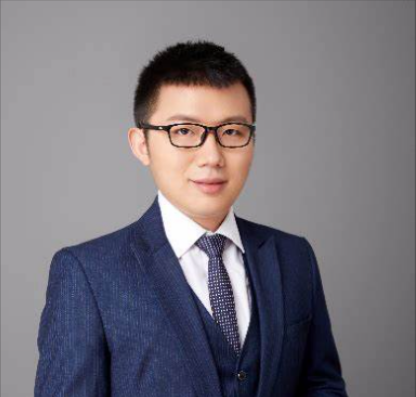
Professor and Ph.D. Supervisor, School of Pharmaceutical Sciences, Southern Medical University. Head of the Functional Ingredient R&D Center, Natural Field. Professor Chong Li is a distinguished researcher in the field of advanced drug delivery systems and pharmaceutical technology innovation.

 EN
EN
 es
es  jp
jp  ko
ko  fr
fr  de
de  it
it  ru
ru  pt
pt  th
th  ar
ar  ms
ms