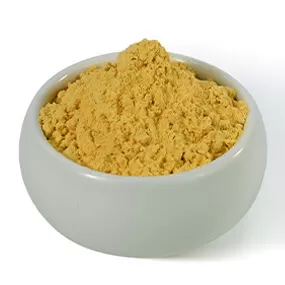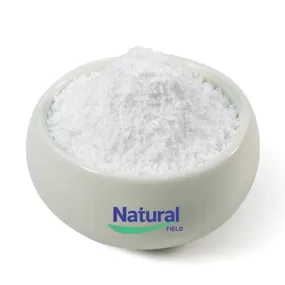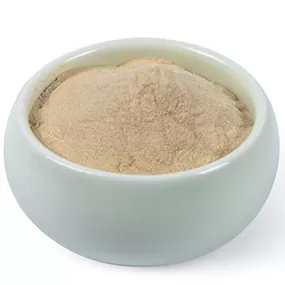

The global skin-brightening market is undergoing a significant shift. Consumers are moving away from controversial ingredients like hydroquinone in favor of safer, more sustainable alternatives that deliver visible results without long-term toxicity. Alpha arbutin and kojic acid are two of the most widely used ingredients for skin brightening and hyperpigmentation control. Both are commonly found in serums, creams, and professional-grade cosmetic formulations, but they differ significantly in mechanism, stability, and skin tolerance.
Before choosing between these two actives, it is essential to understand their mechanism of action. The primary target for both ingredients is Tyrosinase, the enzyme responsible for the first two steps of melanin synthesis.
Melanin is produced in melanocytes. When skin is exposed to UV light or inflammation, tyrosinase is activated, leading to dark spots and uneven tone. Alpha Arbutin acts as a competitive inhibitor of tyrosinase. It mimics the enzyme's substrate, preventing the actual pigment-forming reaction. Kojic Acid acts as a chelation agent. It binds to the copper ions at the active site of tyrosinase, effectively switching off the enzyme's ability to produce pigment.
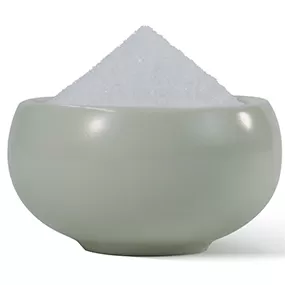
Alpha arbutin is a naturally derived glycosylated hydroquinone compound used in skincare for its skin-brightening and melanin-regulating properties. It works by inhibiting tyrosinase, an enzyme responsible for melanin production in the skin.
Alpha arbutin is a water-soluble active ingredient, stable under a wider pH range compared to hydroquinone. It is suitable for leave-on skincare formulations.
Alpha arbutin works by gradually reducing melanin synthesis, helping to fade dark spots and improve uneven skin tone, supporting overall skin radiance.
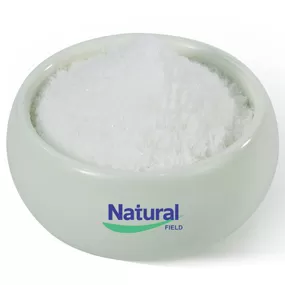
At Natural Field, alpha arbutin powder (CAS 84380-01-8) is supplied with high purity standards, making it suitable for serums, emulsions, and brightening skincare formulations.
Kojic Acid is a natural metabolite produced by several species of fungi, particularly Aspergillus oryzae, used in the fermentation of sake and soy sauce.
Kojic Acid does more than just brighten; it also acts as an antioxidant that can scavenge free radicals. This makes it particularly effective for treating skin that has been damaged by environmental pollutants and UV radiation. Its secondary antioxidant role helps protect the formulation and the skin from oxidative stress, making it a dual-action ingredient.
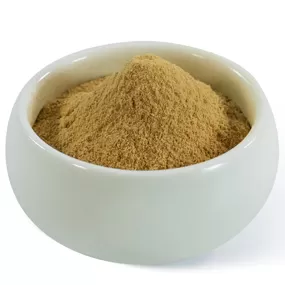
Natural Field’s wholesale Kojic Acid Powder is a pure, crystalline powder with a purity of ≥99%. It is widely recognized for its rapid brightening effects and antioxidant properties.
| Feature | Alpha Arbutin (CAS 84380-01-8) | Kojic Acid (CAS 501-30-4) |
| Stability | High (pH 3.5 - 6.5) | Moderate (Prone to oxidation) |
| Irritation Potential | Extremely Low (Ideal for sensitive skin) | Moderate (Can cause contact dermatitis) |
| Speed of Action | Gradual and consistent | Rapid results (2-4 weeks) |
| Primary Mechanism | Competitive Tyrosinase Inhibition | Copper Chelation of Tyrosinase |
| Secondary Benefit | Gentle, hydrating compatibility | Antioxidant and antimicrobial |
| Formulation Ease | Easy to dissolve and stabilize | Requires anti-oxidants to prevent browning |
Alpha arbutin is generally preferred for gentle, long-term use
Kojic acid is often used for more intensive brightening formulations
In modern skincare formulations, brightening agents are often combined with antioxidants to enhance skin protection and stability.
Common antioxidant ingredients include:
Vitamin C (ascorbic acid derivatives)
Niacinamide
Ferulic acid
Glutathione
These ingredients help reduce oxidative stress, which can contribute to pigmentation and uneven skin tone.
In advanced formulations, alpha arbutin is often paired with antioxidants to:
Improve overall skin clarity
Reduce environmental damage
Support long-term skin tone maintenance
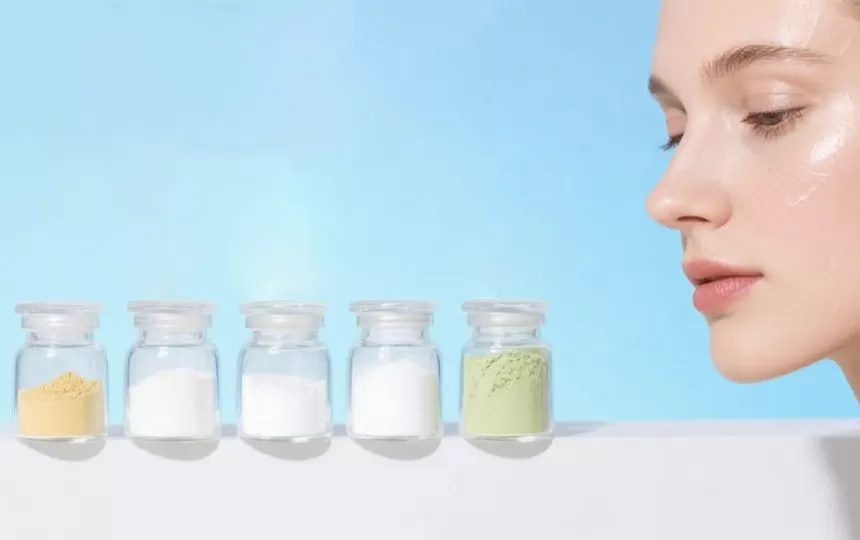
pH Stability and Ingredient Synergies
Alpha arbutin is relatively stable, but its performance can be affected by formulation conditions:
Works best in pH 4.5–6.5
Avoid extremely acidic or alkaline environments
Compatible with niacinamide, hyaluronic acid, and mild antioxidants
It is important for formulators to ensure proper pH balance to maintain ingredient stability and efficacy.
While alpha arbutin is generally well tolerated, formulation strategy is still important:
Avoid combining with highly acidic exfoliants in the same phase
Use proper buffering systems in serums
Optimize concentration levels for sensitive skin products
Kojic acid, on the other hand, requires stricter control due to its higher irritation potential and oxidation sensitivity.
At Natural Field, we provide high-purity Alpha Arbutin Powder, Kojic Acid Powder and other brightening and active cosmetic ingredients. We focus on providing scientifically supported, high-performance ingredients that enable brands to develop safe, effective, and market-competitive skincare products.
Stable and consistent raw material supply for large-scale manufacturing
Strict quality control systems ensuring batch-to-batch reliability
OEM/ODM formulation support for skincare brands
Global supply capability for international cosmetic manufacturers
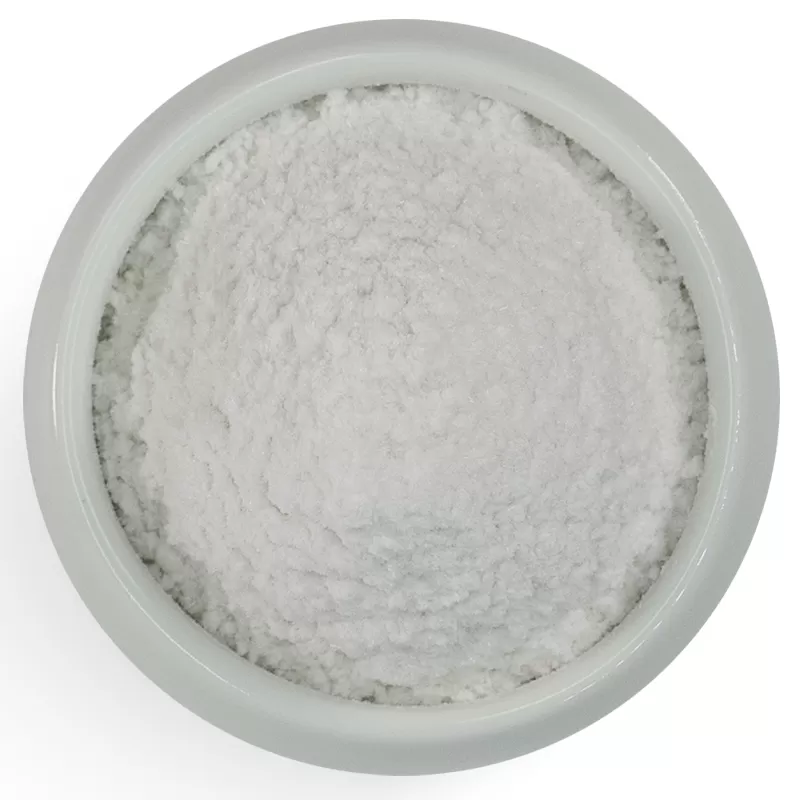
Alpha arbutin and kojic acid are both effective skin-brightening ingredients, but they serve different formulation needs. Alpha arbutin is more stable, gentle, and suitable for long-term use, while kojic acid offers faster but more formulation-sensitive results. For most modern skincare applications, alpha arbutin is preferred due to its stability, safety profile, and versatility, while kojic acid remains valuable in targeted pigmentation treatments.
With high-quality cosmetics raw material supplied by Natural Field, cosmetic brands can develop reliable and effective brightening formulations tailored to diverse consumer needs.
Yes, using Kojic Acid and Alpha Arbutin together is not only safe but highly effective for treating stubborn hyperpigmentation. These two ingredients target the skin-darkening enzyme, tyrosinase, through different pathways. Alpha Arbutin acts as a competitive inhibitor, while Kojic Acid acts as a copper chelating agent. Combining them creates a synergistic effect that blocks melanin production more comprehensively than using either ingredient alone.
The answer depends on your product’s target demographic and formulation goals:
Choose Alpha Arbutin if your brand prioritizes sensitive skin and long-term stability. It is non-irritating and significantly more stable in various cosmetic bases.
Choose Kojic Acid if your brand focuses on fast-acting results and clinical-strength treatments for melasma or sun damage. It is often perceived as more aggressive in terms of speed, though it requires more careful formulation to prevent oxidation.
In the hierarchy of skin-brightening agents, several options are considered stronger, but they often come with trade-offs in safety or stability:
Hydroquinone: Historically the strongest brightener, but it is banned in many countries for cosmetic use due to long-term toxicity. Alpha Arbutin is considered the safer, biosynthetic alternative to hydroquinone.
Kojic Acid: In many clinical settings, Kojic Acid is viewed as stronger in terms of its immediate ability to chelate copper and halt pigment production, though it is more likely to cause skin sensitivity.
High-Purity Alpha Arbutin: It is important to note that 99% pure Alpha Arbutin is roughly 10 times stronger than Beta Arbutin. For many brands, the most effective strong solution is a stabilized combination of 2% Alpha Arbutin with other brighteners like Vitamin C or Niacinamide.

Professor and Ph.D. Supervisor, School of Pharmaceutical Sciences, Southern Medical University. Head of the Functional Ingredient R&D Center, Natural Field. Professor Chong Li is a distinguished researcher in the field of advanced drug delivery systems and pharmaceutical technology innovation.
 EN
EN
 es
es  jp
jp  ko
ko  fr
fr  de
de  it
it  ru
ru  pt
pt  th
th  ar
ar  ms
ms