
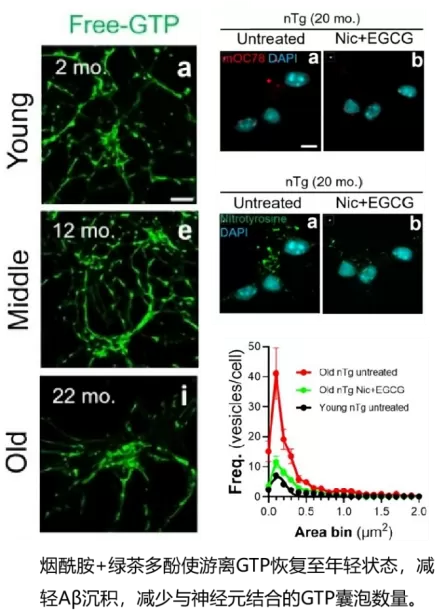
A study published in the journal GeroScience in August 2025 unveiled the key role of the Niacinamide and Green Tea Polyphenols combination in delaying brain aging. The research observed that the levels of free guanosine triphosphate (GTP) in mouse hippocampal neurons follow a specific pattern with age: it increases moderately in middle age and then drops sharply in old age. However, after administering the "Niacinamide + Green Tea Polyphenols" combination to senescent neurons for just 24 hours, their GTP levels were restored to the levels seen in young individuals—providing important experimental evidence for the anti-aging effects of the two compounds.
Guanosine triphosphate (GTP), a key molecule structurally similar to adenosine triphosphate (ATP), plays a central role in cellular energy metabolism and signal transduction. For neurons, it is even an essential substance for maintaining synaptic plasticity, vesicular transport, and autophagic processes, directly relating to the normal operation of neural functions.
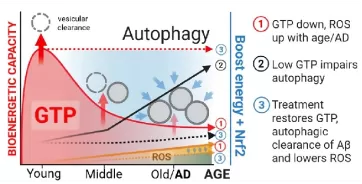
However, aging disrupts the physiological balance of the hippocampus in the brain, leading to abnormalities in autophagy and endocytosis. This dysregulation accelerates the decline in free GTP levels within neurons after middle age, thereby triggering a series of aging-related issues: extracellular amyloid-beta (Aβ) deposition, excessive production of reactive oxygen species (ROS), and ultimately impairment of cognitive function.
The synergistic effect of Niacinamide and Green Tea Polyphenols precisely targets and addresses this problem. As a precursor of nicotinamide adenine dinucleotide (NAD+), Niacinamide can effectively drive the synthesis of intracellular GTP. Epigallocatechin gallate (EGCG)—the most abundant and bioactive component in Green Tea Polyphenols—functions as an Nrf2 redox gene inducer. When used in combination, the two not only rapidly restore the declined GTP levels in aged individuals but also reactivate the autophagic clearance pathway of Aβ, reversing oxidized protein levels to the youthful state. Thus, they achieve the effects of improving brain aging and enhancing cognitive ability.
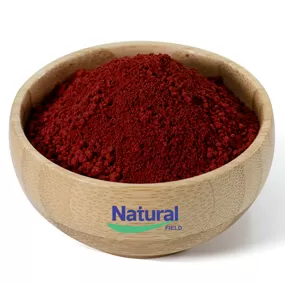
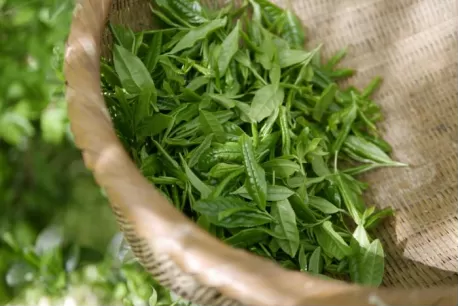
Beneath China’s millennia-old tea-drinking culture lies a rich reserve of tea polyphenols in tea leaves. Among the six major tea categories, green tea retains the most abundant tea polyphenols due to its unique processing method, which serves as the core material basis for its physiological effects. Among these, epigallocatechin gallate (EGCG)—the most abundant and bioactive component of Green Tea Polyphenols—exhibits prominent positive effects across multiple health domains.
A wealth of studies have confirmed that Green Tea Polyphenols exert significant protective effects on the cardiovascular system. In animal experiments, rats fed a high-fat diet and administered Green Tea Polyphenols for 18 weeks showed markedly enhanced aortic fiber elasticity. Early signs of vascular aging, such as vascular wall structural disorder, uneven intima, and media thickening, were effectively alleviated. Clinical studies also indicate that EGCG can improve atherosclerosis by inhibiting endothelial dysfunction induced by the inflammatory factor TNF-α, which explains why green tea consumption reduces the risk of cardiovascular diseases such as coronary heart disease.
Green Tea Polyphenols possess multiple properties including antioxidant, anti-apoptotic, free radical damage-reducing, and neuroprotective effects, demonstrating remarkable performance in the intervention of neurological disorders. Experimental data show that they can significantly alleviate cognitive impairment in mice and improve neurological damage and neuronal apoptosis caused by cerebral hemorrhage. They have also exhibited potential protective value in research on neurodegenerative diseases such as Alzheimer’s disease and dementia.
The role of Green Tea Polyphenols in regulating blood glucose, blood lipids, and blood pressure has been verified by numerous studies. In interventions targeting diabetic patients, daily supplementation of 379mg Green Tea Polyphenols (containing 208mg EGCG) significantly reduced fasting blood glucose, insulin levels, and insulin resistance. In hypertension-related research, it improved blood pressure status, systemic inflammation, and oxidative stress in obesity-associated hypertensive patients by lowering serum levels of the inflammatory factor TNF-α and high-sensitivity C-reactive protein. Experiments on canines also demonstrated that adding 1.00% green tea powder or 0.25% Green Tea Polyphenols to the diet effectively controlled body weight, serum total cholesterol, triglycerides, and low-density lipoprotein cholesterol (LDL-C) levels, while increasing high-density lipoprotein cholesterol (HDL-C) content.
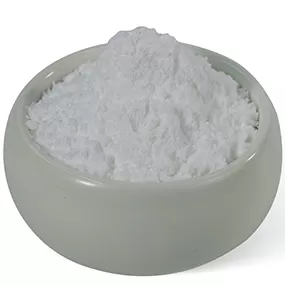
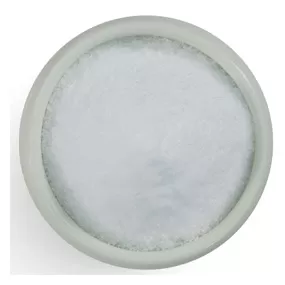
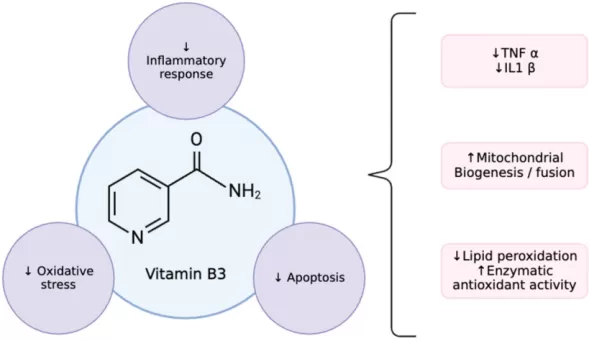
Niacinamide, also known as nicotinamide, is an amide derivative of niacin (vitamin B3) and exhibits good safety even when used at relatively high doses. As a critical precursor of NAD+, it participates in multiple fundamental cellular activities and is vital for maintaining physiological functions.
The human body acquires niacinamide primarily through two pathways: one is dietary intake—it is abundant in foods such as eggs, beef, fish, and mushrooms, while its content in vegetables is relatively low; the other is biosynthesis from tryptophan within the body.
In terms of application fields, niacinamide demonstrates diverse value. In the cosmetics industry, it is hailed as an "all-around skincare ingredient"—its efficacy in whitening, anti-wrinkle, oil control, and skin texture improvement has been supported by clinical data, making it widely used in various skincare products. In the pharmaceutical and dietary supplement fields, it is often used for the adjunctive improvement of skin diseases or as a vitamin B3 supplement to meet the body’s nutritional needs.
Niacinamide possesses significant anti-inflammatory properties, endowing it with excellent skin photoprotective capacity. It can reduce ultraviolet radiation-induced hyperpigmentation, wrinkle formation, and immune suppression. Meanwhile, it regulates sebum synthesis and exerts a certain improvement effect on skin problems such as acne and dermatitis.
Neurons are the core components of the central nervous system, but their functions decline with age. Leveraging its antioxidant capacity, niacinamide can effectively inhibit the progression of cellular damage and abnormal phagocytosis, and has demonstrated clear neuroprotective properties in research models of various neurodegenerative diseases.
[1] Santana RA, McWhirt JM, Brewer GJ. Treatment of age-related decreases in GTP levels restores endocytosis and autophagy. Geroscience. 2025 Aug 2.
[2] Babighian, S.; Gattazzo, I.; Zanella, M.S.; Galan, A.; D’Esposito, F.; Musa, M.; Gagliano, C.; Lapenna, L.; Zeppieri, M. Nicotinamide: Bright Potential in Glaucoma Management. Biomedicines 2024, 12, 1655.

Professor and Ph.D. Supervisor, School of Pharmaceutical Sciences, Southern Medical University. Head of the Functional Ingredient R&D Center, Natural Field. Professor Chong Li is a distinguished researcher in the field of advanced drug delivery systems and pharmaceutical technology innovation.
 EN
EN
 es
es  jp
jp  ko
ko  fr
fr  de
de  it
it  ru
ru  pt
pt  th
th  ar
ar  ms
ms