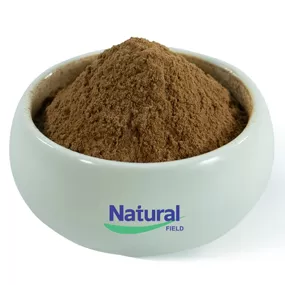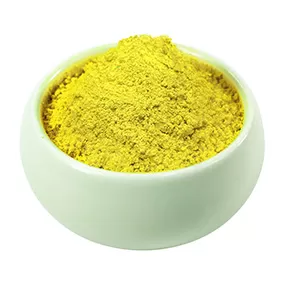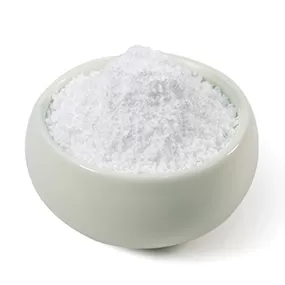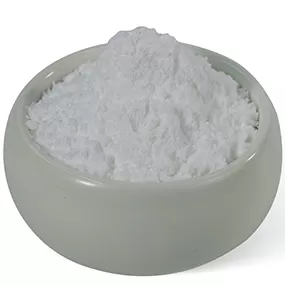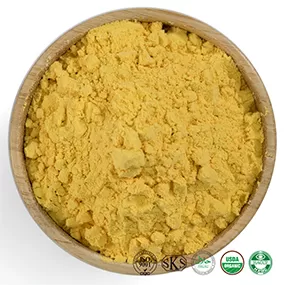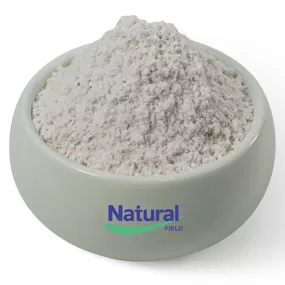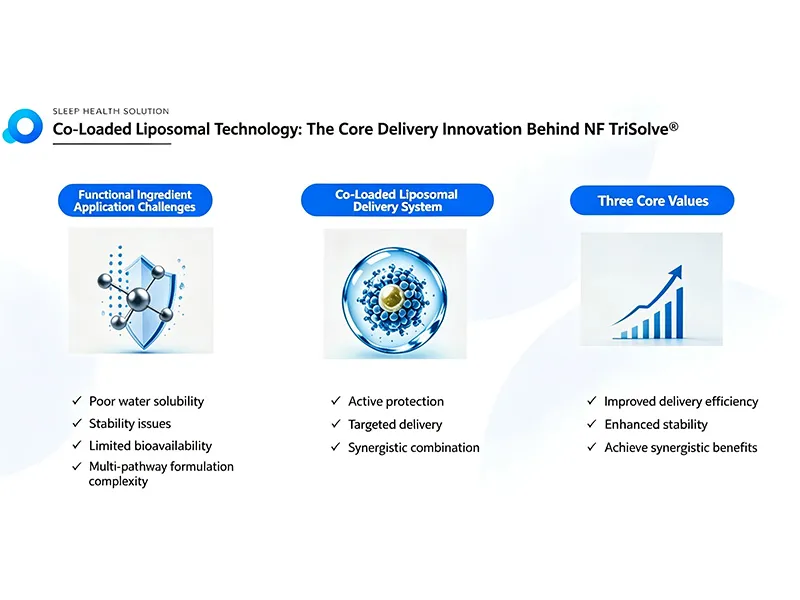

Quercetin, widely present in our daily diet, is chemically structured around a 3,5,7,3',4'-pentahydroxyflavone core. This unique structure endows it with remarkable biological activity and antioxidant potential. Although the average daily intake of quercetin through diet is approximately 10–50 mg, its poor water solubility and low bioavailability (typically less than 1%) limit the full expression of its health benefits in its natural form.
Aging is fundamentally a progressive decline in physiological function over time, involving a complex biological process driven by multiple mechanisms such as oxidative stress, chronic inflammation, and protein homeostasis imbalance. In this context, quercetin demonstrates unique value in the field of anti-aging due to its multi-target and multi-pathway mechanisms of action.
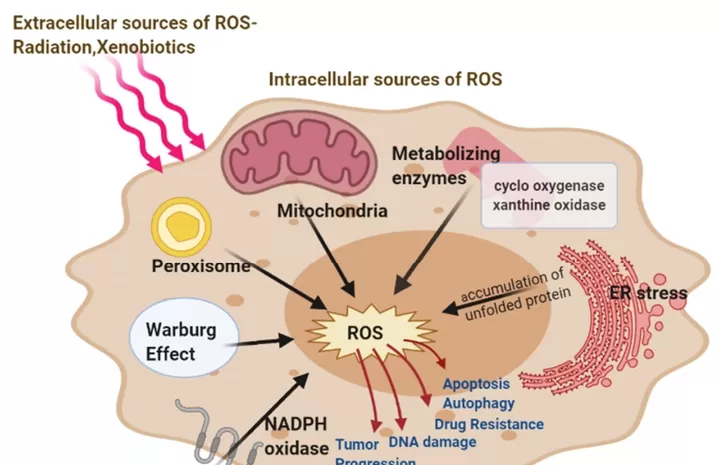
During mitochondrial energy metabolism, reactive oxygen species (ROS) are continuously generated. These highly reactive molecules act like "biochemical shrapnel," attacking lipids, proteins, and DNA within cells, leading to functional decline and structural damage. Quercetin plays a triple role in antioxidant defense:
Direct Free Radical Scavenging: The phenolic hydroxyl groups in quercetin’s structure enable it to directly neutralize various free radicals, such as superoxide anions and hydroxyl radicals. Its redox potential makes it an ideal electron donor, effectively blocking free radical chain reactions.
Activation of Endogenous Antioxidant Networks: Quercetin exerts systemic antioxidant effects by modulating the Keap1/Nrf2/HO-1 signaling axis. Studies have shown that in hepatocytes treated with quercetin, Keap1 protein expression decreases by 14.29%, while Nrf2 and HO-1 expression increases by 8.00% and 6.90%, respectively. This enhances the cells' intrinsic antioxidant enzyme activity by up to 1.8-fold.
Mitochondria-Specific Protection: Unlike many antioxidants that struggle to penetrate mitochondrial membranes, quercetin can cross them, shielding this "cellular power plant" from oxidative damage. In skin cells, this protective effect manifests as reduced photoaging damage caused by UV radiation.
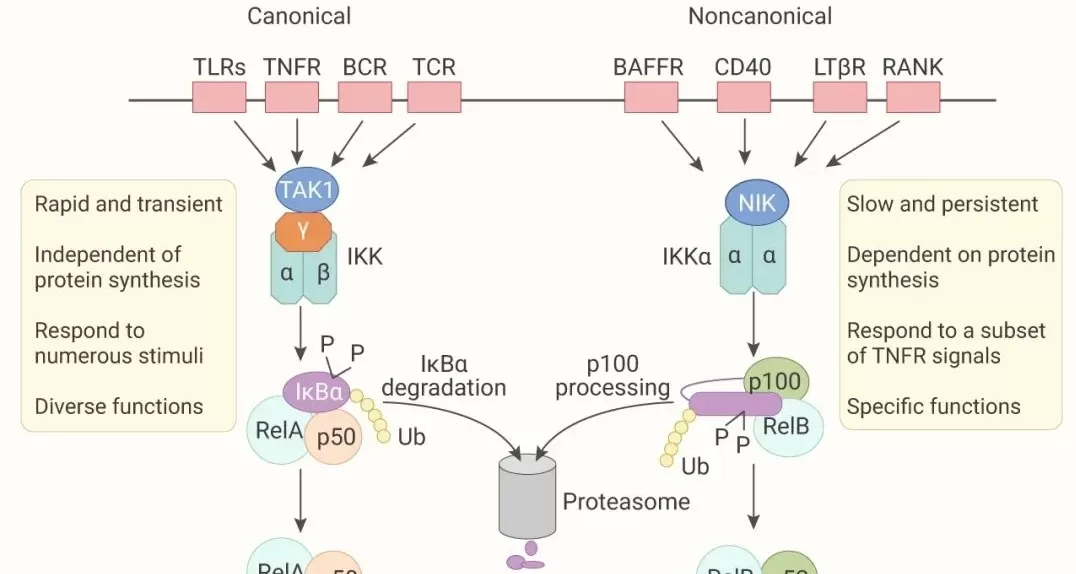
Chronic low-grade inflammation, termed "inflamm-aging," is a critical factor in tissue degeneration. Quercetin demonstrates molecular precision in inflammation regulation:
NF-κB Signaling Inhibition: As the "master switch" of inflammatory responses, aberrant activation of NF-κB leads to excessive production of pro-inflammatory factors such as TNF-α and IL-6. Quercetin blocks the activation of IκB kinase (IKK), inhibiting NF-κB nuclear translocation and thereby reducing inflammatory mediator levels.
Matrix Metalloproteinases (MMPs) Regulation: In skin aging, inflammation-activated MMPs degrade collagen and elastin fibers. Quercetin significantly suppresses the expression of MMP-1, MMP-3, and MMP-9, preserving dermal matrix integrity. Experiments show that quercetin-treated skin fibroblasts exhibit notably increased collagen synthesis alongside reduced MMP activity.
SASP Factor Modulation: Senescence-associated secretory phenotype (SASP) factors secreted by senescent cells can induce aging in neighboring cells. In age-related macular degeneration (AMD) patients, quercetin reduces the expression of SASP factors such as IL-6 and MMP9 in retinal pigment epithelial (RPE) cells.
Declining cellular regenerative capacity is a hallmark of aging. Quercetin promotes tissue homeostasis through the following mechanisms:
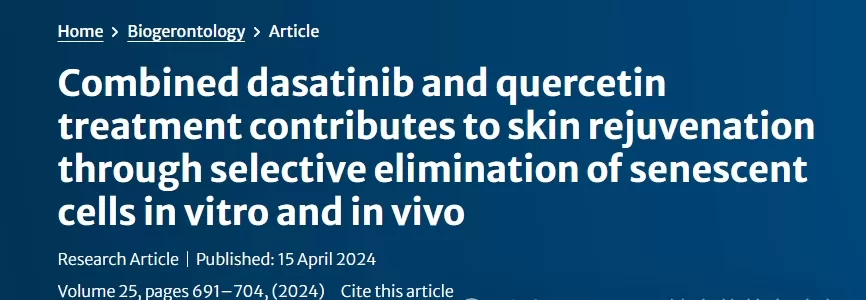
Senescent Cell Clearance (Senolytic Effect): The "D+Q therapy" combining quercetin with the anticancer drug dasatinib has demonstrated selective clearance of senescent cells. Compared to controls, skin from elderly individuals treated with D+Q showed increased collagen density and suppression of SASP.
Autophagy and Lysosomal Function Restoration: Quercetin regulates lysosomal acidification through the "mTOR-TFEB-V-ATPase axis." In AMD models, quercetin treatment reduced lysosomal pH by 15%, decreased lipofuscin accumulation by 60%, and increased the GSH/GSSG ratio by 2-fold, significantly enhancing cellular waste clearance.
Collagen Regeneration Promotion: In skin fibroblasts, quercetin activates the MAPK signaling pathway to upregulate collagen gene expression. Simultaneously, it inhibits the TGF-β/Smad pathway to reduce collagen degradation, maintaining skin structural integrity through this dual mechanism.
From a natural pigment in onion skins to a star molecule at the forefront of anti-aging research, quercetin's scientific journey exemplifies the perfect fusion of nature and technology. Its multi-dimensional anti-aging mechanisms—spanning antioxidant, anti-inflammatory, and cytoprotective effects—offer a natural solution to global aging challenges.
With breakthroughs in nanotechnology, synthetic biology, and related fields, quercetin is overcoming bioavailability limitations and evolving toward higher efficiency, precision, and personalization.
Reference:
Liu, G., Qu, J., & Zhang, W. (2020). A single-cell transcriptomic atlas of human skin aging. Developmental Cell, *55*(6), 665–680.
Li, J., Wang, J., Huang, Z., Cui, X., & Li, C. (2023). Oxidized quercetin has stronger anti-amyloid activity and anti-aging effect than native form. Comparative Biochemistry and Physiology Part C: Toxicology & Pharmacology, *271*, 109676.
Gu, Y., Fu, J., Wu, W., Wu, X., & Wu, J. (2019). Quercetin rescues bone loss by anti-senescence effect in estrogen-deficient osteoporosis. Journal of Tongji University (Medical Science), *40*(3), 274–280.
Zhu, J., Zhang, R., & Lu, X. (2012). Effects of quercetin on midkine and caspase-3 expression in cervical cancer HeLa cells. Journal of Xuzhou Medical University, *32*(2), 116–119.

Professor and Ph.D. Supervisor, School of Pharmaceutical Sciences, Southern Medical University. Head of the Functional Ingredient R&D Center, Natural Field. Professor Chong Li is a distinguished researcher in the field of advanced drug delivery systems and pharmaceutical technology innovation.
 EN
EN
 es
es  jp
jp  ko
ko  fr
fr  de
de  it
it  ru
ru  pt
pt  th
th  ar
ar  ms
ms