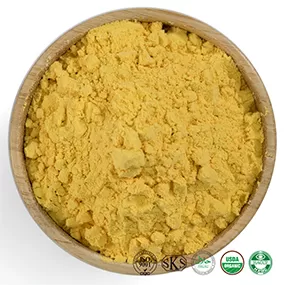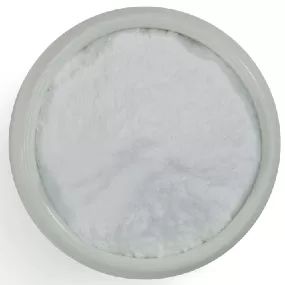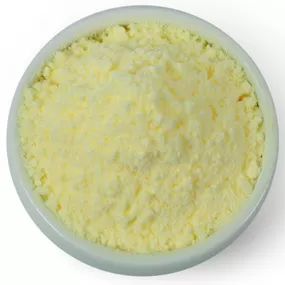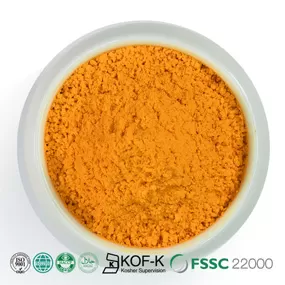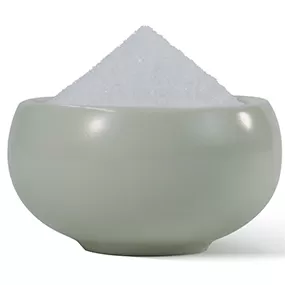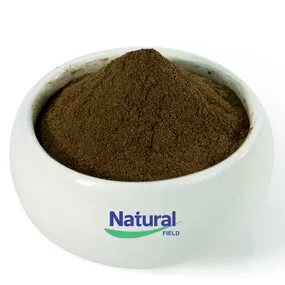

You’ve probably heard about amino acids for muscle building, but 5-ALA (5-Aminolevulinic Acid)? That’s nature’s behind-the-scenes player for cellular energy. Found in plants, animals, and even bacteria, this tiny molecule builds chlorophyll (think: plant power) and heme (your body’s oxygen taxi). Scientists are geeking out over its potential for energy, health, and even cancer therapy. Let’s break it down.
Turns out, life uses two blueprints:
1. The "C4 Path" (Animals & Yeast)
Mixes glycine + succinyl-CoA
Key enzyme: ALAS (hits pause when heme levels are high).
2. The "C5 Path" (Plants & Algae)
Starts with glutamate → becomes 5-ALA in 3 steps.
Boss enzyme: GluTR (also heme-regulated).

1. Energy & Metabolism Boost
5-ALA helps build heme → powers cytochrome C (your mitochondria’s battery charger).
Result? Better ATP production (cellular fuel), less fatigue, and revved-up metabolism.

2. Blood Sugar Support
Studies suggest it helps cells use glucose smarter in the TCA cycle (your energy furnace).
In Japan, 5-ALA phosphate is approved for metabolic health supplements.

3. Fights Inflammation & Balances Iron
Turns on HO-1 (heme oxygenase-1) → creates:
Bilirubin: A superhero antioxidant.
Carbon monoxide (CO): Calms inflammation.
Recycled iron: Prevents shortages.
Translation: Your body handles stress better.
1. Health Supplements (Japan’s Star)
As 5-ALA phosphate, it’s marketed for:
Fighting fatigue
Supporting blood sugar balance
Boosting workout stamina
Key selling point: Energizes mitochondria.
2. Cancer Treatment (PDT “Tumor Spotlight”)
In photodynamic therapy (PDT):
Swallow 5-ALA → tumors hoard it as PpIX (a light-sensitive compound).
Shine laser → PpIX zaps cancer cells with ROS (reactive oxygen).
Used for skin, brain, and bladder cancers.
3. Agriculture’s Green Secret
Spray plants → boosts chlorophyll → better photosynthesis.
Perks: Sweeter fruits, bigger yields, stress resistance.
5-ALA (5-Aminolevulinic Acid) is a small-molecule compound widely found in nature with significant biological functions. As a key precursor for heme and chlorophyll synthesis, it plays a fundamental role in cellular energy metabolism (mitochondrial function), redox balance, and inflammation regulation. These scientific mechanisms underpin its potential across multiple fields: from serving as a dietary supplement ingredient (e.g., Japan-approved 5-ALA phosphate) for studying specific health benefits like energy metabolism and blood sugar management support, to acting as a critical photosensitizer in cancer photodynamic therapy (PDT), and further as a potential tool in agriculture for enhancing photosynthetic efficiency and crop quality.
Scientific research on 5-ALA continues to deepen, continually revealing new mechanisms and applications. It represents an intriguing subject of study bridging fundamental biology and cross-disciplinary applications (health, medicine, agriculture).

Professor and Ph.D. Supervisor, School of Pharmaceutical Sciences, Southern Medical University. Head of the Functional Ingredient R&D Center, Natural Field. Professor Chong Li is a distinguished researcher in the field of advanced drug delivery systems and pharmaceutical technology innovation.
.webp "How to Choose a China Coenzyme Q10 Bulk Powder Manufacturer?")
 EN
EN
 es
es  jp
jp  ko
ko  fr
fr  de
de  it
it  ru
ru  pt
pt  th
th  ar
ar  ms
ms