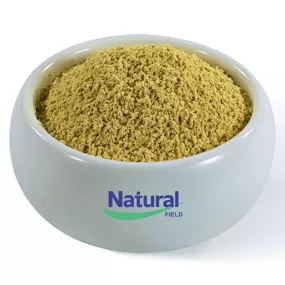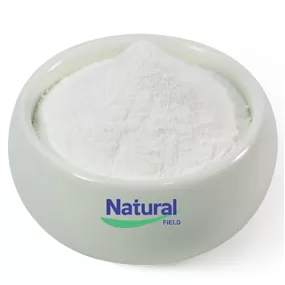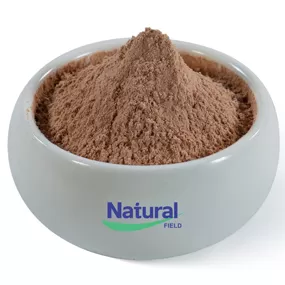
Tea Polyphenols Powder is a concentrated botanical ingredient derived from the leaves of Camellia sinensis (green tea), standardized to high levels of polyphenolic compounds. Tea polyphenols represent a key class of natural plant compounds in tea, primarily including catechins, along with flavonoids and phenolic acids. Among these, catechins are the most important active components, mainly comprising epigallocatechin gallate (EGCG), epicatechin (EC), epigallocatechin (EGC), and epicatechin gallate (ECG), which contribute significantly to the functional properties of tea polyphenols.
Natural Field supplies high-quality green tea extract EGCG powder widely used in dietary supplements, functional foods, beverages, and beauty-from-within formulations. Our product features controlled polyphenol content, consistent batch quality, and excellent formulation compatibility. Compared to standard green tea extract, it offers higher active concentration and more targeted functional value, making it suitable for advanced nutritional applications.
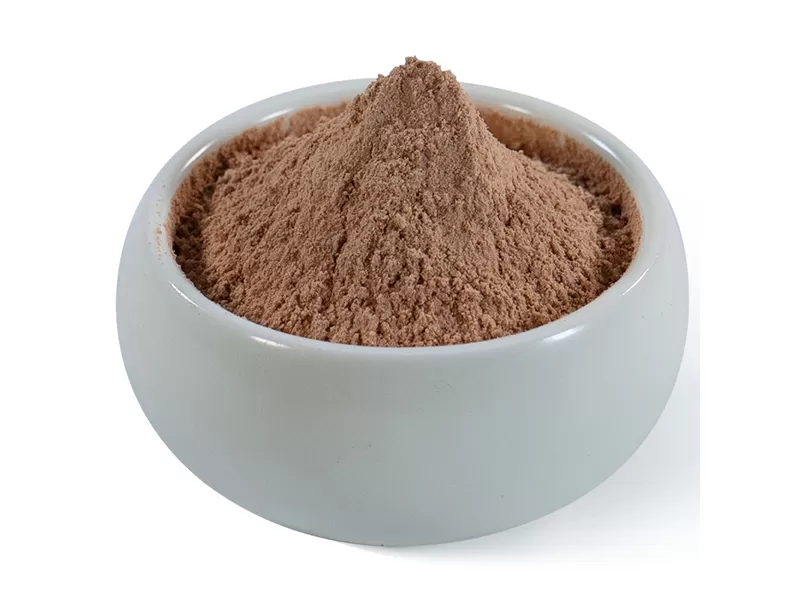
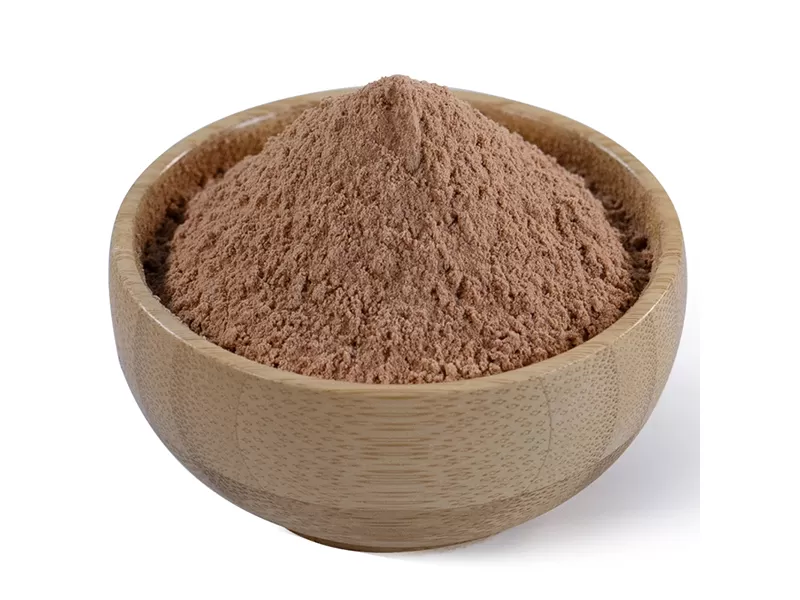
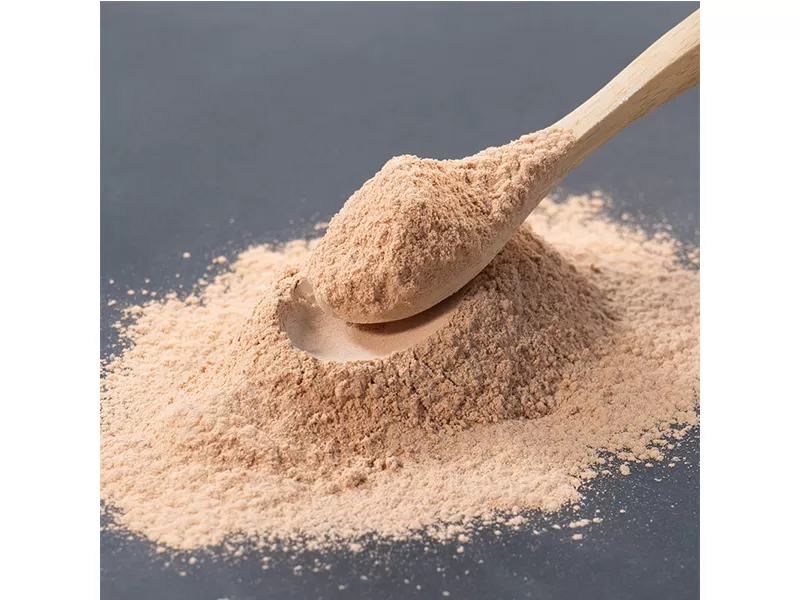
Appearance: White powder
Test Method: HPLC
Specification: tea polyphenols 98% EGCG Powder 50%
| Product name | Green Tea Extract EGCG Powder Tea Polyphenols |
| Grade | Food grade |
| Appearance | White powder |
| Specification | tea polyphenols 98% EGCG Powder 50% |
| Test Method | HPLC |
| Application | Antioxidant, anti-inflammatory, cardiovascular health, immune health ingredients |
| Brand | Natural Field |
| Shelf life | 24 months |
| Soluble | Soluble in DMSO and ethanol, almost insoluble in water. |
| Storage | Product should be preserved in tightly closed containers protected from light, heat, and air. Do not expose to alkalis. |
Antioxidant Support: Tea polyphenols help neutralize free radicals and support the body’s natural antioxidant defense systems, contributing to cellular protection against oxidative stress.
Inflammation Balance: Tea polyphenols are commonly studied for their role in supporting a balanced inflammatory response under normal physiological conditions.
Microbial Balance Support: Tea polyphenols demonstrate natural antimicrobial properties and are often included in formulations aimed at supporting overall wellness and environmental defense.
Metabolic Support: Tea polyphenols are commonly incorporated into products focused on metabolic balance and weight management applications.
Cellular Protection & Healthy Aging: Due to their antioxidant capacity, tea polyphenols are widely used in formulations targeting cellular vitality and healthy aging support.
Cognitive Support: Tea polyphenols are also studied for their potential role in supporting brain health and cognitive function as part of long-term wellness strategies.
| Item | Specification | Results | Methods |
| Assay | |||
| Polyphenols | ≥98.00% | 106.93% | UV |
| Catechins | ≥70.00% | 88.94% | HPLC |
| EGCG | ≥4500% | 52.43% | HPLC |
| Caffeine | ≤3.00% | 0.45% | HPLC |
| Appearance | Buff,sandy ordark brown powder | Conforms | Organoleptic |
| Odor | Characteristic | Conforms | Organoleptic |
| Taste | Characteristic | Conforms | Organoleptic |
| Physical &Chemical Characteristics | |||
| Loss on drying | ≤5.00% | 2.71% | GB 5009.3 |
| Particle size | >95%through 80 mesh | Conforms | Screening |
| Bulk density | 0.40g/ml-0.60g/ml | 0.47g/ml | GB 18798.5 |
| Heavy Metals | ≤10.00ppm | Conforms | GB 5009.74 |
| Lead(Pb) | ≤0.50ppm | Conforms | GB 5009.12 |
| Cadmium(Cd) | ≤0.10ppm | Conforms | GB 5009.15 |
| Mercury(Hg) | ≤0.10ppm | Conforms | GB 5009.17 |
| Arsenic(As) | ≤0.50ppm | Conforms | GB 5009.76 |
| MicrobiologicalTests | |||
| Total Plate Count | ≤1000cfu/g | Conforms | GB 4789.2 |
| Yeast&Mold | ≤100cfu/g | Conforms | GB 4789.15 |
| E.Coli | Negative | Negative | GB 4789.38 |
| Salmonella | Negative | Negative | GB 4789.4 |
| Staphylococcus | Negative | Negative | GB 4789.10 |
| Conclusion | Conform to the In-house standard. | ||
Tea polyphenols are collectively referred to as polyphenolic compounds and mainly include the following categories:
Catechins: These primarily include epigallocatechin gallate (EGCG), epicatechin (EC), epigallocatechin (EGC), and epicatechin gallate (ECG).
Flavonoids: This category includes compounds such as quercetin and kaempferol.
Anthocyanins: These are mainly found in certain types of tea, such as black tea.
Phenolic Acids: Examples include caffeic acid and gallic acid.
How do niacinamide and green tea polyphenols work together in anti-aging applications?
Niacinamide and green tea polyphenols demonstrate a complementary mechanism that targets cellular energy metabolism and oxidative balance. Niacinamide, as a precursor of NAD⁺, supports intracellular energy pathways and promotes the synthesis of key molecules such as guanosine triphosphate (GTP), which is essential for neuronal function.
At the same time, green tea polyphenols—particularly EGCG—act as powerful antioxidant regulators by activating pathways such as Nrf2. When combined, they help restore age-related declines in cellular energy balance, enhance autophagic processes, and reduce oxidative stress. This synergistic interaction contributes to improved cellular function and supports healthy aging, especially in neurological systems.
What are the key benefits of combining niacinamide with tea polyphenols in formulations?
The combination of niacinamide and tea polyphenols is increasingly used in advanced formulations due to its multi-target functional benefits. Together, they may support:
Cellular energy balance: By restoring GTP and supporting NAD⁺-related pathways
Neuroprotection: Helping maintain neuronal function and cognitive performance
Antioxidant defense: Reducing oxidative stress and protein damage
Autophagy support: Promoting the clearance of damaged cellular components
Healthy aging strategies: Addressing multiple biological pathways involved in aging
We accept intemational Express-FedexDHUPs, air shipping and sea shipping, We can ship to all over the word, even to some remote areas, suchas remote areas of Russia, countries near the north and south poles.

Thank you for your interest in our products!
Please noticed that our products are raw materail , only supply for commercial use.
Our products are not available for individual use.
 EN
EN
 es
es  jp
jp  ko
ko  fr
fr  de
de  it
it  ru
ru  pt
pt  th
th  ar
ar  ms
ms