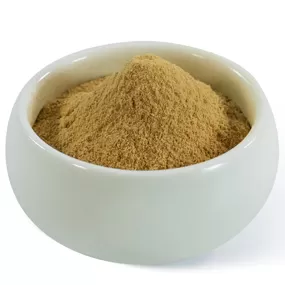

Coenzyme Q10 (CoQ10) is a naturally occurring antioxidant found in every cell of the body, playing a vital role in energy production and protecting cells from oxidative stress. Lately, CoQ10 has been gaining popularity as a supplement that may improve fertility. Its potential benefits extend beyond general wellness and into areas of reproductive health, particularly for those facing age-related fertility challenges or other reproductive issues. But how does CoQ10 impact fertility, and is it safe to use during pregnancy? Let's dive into this question and explore the role of Coenzyme Q10 powder, especially the high-quality options offered by brands like Natural Field.
Coenzyme Q10 is known for its powerful antioxidant properties, which help reduce oxidative stress in the body. This is particularly important in the context of fertility, as oxidative stress can negatively impact both egg and sperm quality. CoQ10 is involved in the production of energy in cells, especially in the mitochondria, which is crucial for the functioning of both male and female reproductive systems.
As women age, the quality of their eggs naturally declines, and so does mitochondrial function in egg cells. This can lead to lower fertility, difficulty conceiving, and an increased risk of miscarriage. CoQ10 supplementation is believed to help improve the quality of eggs by reducing oxidative damage and supporting mitochondrial health. Some studies suggest that women over 35, who may face challenges with egg quality, can benefit from taking CoQ10 to potentially improve their chances of conception.
For men, CoQ10 has been found to support sperm health by improving sperm motility and reducing oxidative stress that can damage sperm cells. Sperm quality declines with age, and CoQ10 may play a significant role in enhancing male fertility as well.
In short, CoQ10 can be beneficial for both men and women when it comes to reproductive health. It supports egg and sperm quality, which can increase the chances of conception.
CoQ10 helps with fertility in several key ways:
Improving Egg Quality in Women
As mentioned earlier, CoQ10 supports mitochondrial function, which is crucial for the production of energy needed for proper cellular function. The eggs in a woman's ovaries have high energy demands, and CoQ10 can improve mitochondrial efficiency in these eggs, thereby potentially improving egg quality and quantity. CoQ10 may be particularly useful for women in their late 30s or early 40s, as egg quality typically begins to decline with age.
Supporting Sperm Health in Men
In men, CoQ10 plays a role in improving sperm motility and overall sperm health. Studies have shown that CoQ10 supplementation may enhance sperm count and motility, as well as reduce oxidative stress that could damage sperm DNA. This makes CoQ10 a potential fertility booster for men dealing with infertility issues related to sperm quality.
Antioxidant Protection Against Oxidative Stress
Both male and female fertility can be negatively impacted by oxidative stress, which occurs when there is an imbalance between free radicals and antioxidants in the body. CoQ10, being a powerful antioxidant, helps protect reproductive cells from oxidative damage, thereby improving the chances of successful conception.
Improving Hormonal Balance
There is also some evidence to suggest that CoQ10 can help improve hormonal balance, which is crucial for fertility. It may support the regulation of hormones like progesterone and estrogen, which play a key role in ovulation and overall reproductive health.
When it comes to fertility, the recommended dosage of CoQ10 varies depending on the individual's age, health condition, and specific fertility goals. Most studies on CoQ10 and fertility have used dosages ranging from 100 mg to 600 mg per day, with some individuals taking higher doses under medical supervision.
For women, a common starting dose is 200 mg per day, which can be split into two doses of 100 mg each, to improve egg quality and support ovarian health. For women over 35 or those with fertility challenges, higher doses (300 mg to 600 mg) may be recommended.
For men, 200 mg to 400 mg of CoQ10 per day is typically recommended to improve sperm motility and count. It is essential to start with a lower dose and gradually increase it based on individual needs and tolerance.
It's always best to consult a healthcare provider to determine the appropriate dosage based on your specific situation and health condition. If you're using Coenzyme Q10 powder from a reputable source like Natural Field, you can adjust the dosage easily according to the concentration in the powder.
Some people may consider can I take Coenzyme Q10 while pregnant. CoQ10 is generally considered safe when taken in appropriate amounts. However, when it comes to pregnancy, the situation is a bit more nuanced. There are limited studies on the safety of CoQ10 during pregnancy, so it is always advisable to consult a doctor before taking any supplements during this time.
Potential Benefits During Pregnancy
While there is no conclusive evidence that CoQ10 directly benefits pregnancy, it is known to support overall cellular health, and some believe it may help protect against preeclampsia, a condition related to high blood pressure during pregnancy. CoQ10 may also provide antioxidant protection to both the mother and fetus, which could be beneficial for reducing the risks of complications.
Risks and Caution
Because there is a lack of extensive research on CoQ10 during pregnancy, it's always recommended to consult with a healthcare professional before using CoQ10 supplements while pregnant. Pregnant women should always prioritize safety and avoid taking any supplement unless advised by their doctor.
In most cases, CoQ10 is considered safe during pregnancy in low doses, but the need for it should be assessed on a case-by-case basis.
CoQ10 supplementation can be beneficial for several groups of people who are seeking to improve fertility. Here are some individuals who might consider adding CoQ10 to their fertility regimen:
Women Over 35
As a woman ages, egg quality and quantity begin to decline. CoQ10 supplementation can help support mitochondrial function and improve egg health, offering a possible fertility boost for older women.
Men with Low Sperm Quality
For men experiencing issues like low sperm motility, low count, or poor overall sperm health, CoQ10 can help improve sperm quality, making it a useful supplement for those with male infertility.
Couples Undergoing Fertility Treatments
Couples undergoing fertility treatments such as IVF (in vitro fertilization) or IUI (intrauterine insemination) may consider taking CoQ10 to improve their chances of success, as it can enhance egg and sperm quality.
Individuals with Antioxidant Deficiencies
People who have high levels of oxidative stress or antioxidant deficiencies may benefit from CoQ10 supplementation, as it can help reduce oxidative damage and support overall reproductive health.
Coenzyme Q10 (CoQ10) powder is a valuable active nutraceutical ingredient for fertility-support formulations targeting both men and women. Scientific studies suggest that CoQ10 may improve reproductive outcomes by enhancing egg and sperm quality, reducing oxidative stress, and supporting mitochondrial function—key factors in overall fertility performance.
As a trusted China Coenzyme Q10 powder supplier, Natural Field provides high-purity CoQ10 powder that meets industry standards for safety, consistency, and efficacy. While CoQ10 is generally well-tolerated, manufacturers formulating products for reproductive health or prenatal markets should ensure appropriate regulatory compliance and clinical substantiation for use during pregnancy.
Natural Field Antioxidant Ingredients Recommendation:

Professor and Ph.D. Supervisor, School of Pharmaceutical Sciences, Southern Medical University. Head of the Functional Ingredient R&D Center, Natural Field. Professor Chong Li is a distinguished researcher in the field of advanced drug delivery systems and pharmaceutical technology innovation.
 EN
EN
 es
es  jp
jp  ko
ko  fr
fr  de
de  it
it  ru
ru  pt
pt  th
th  ar
ar  ms
ms