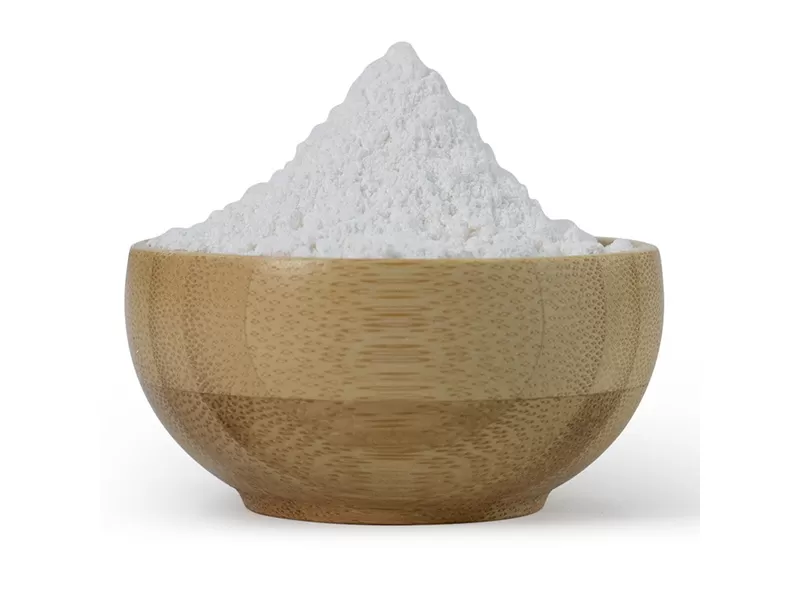
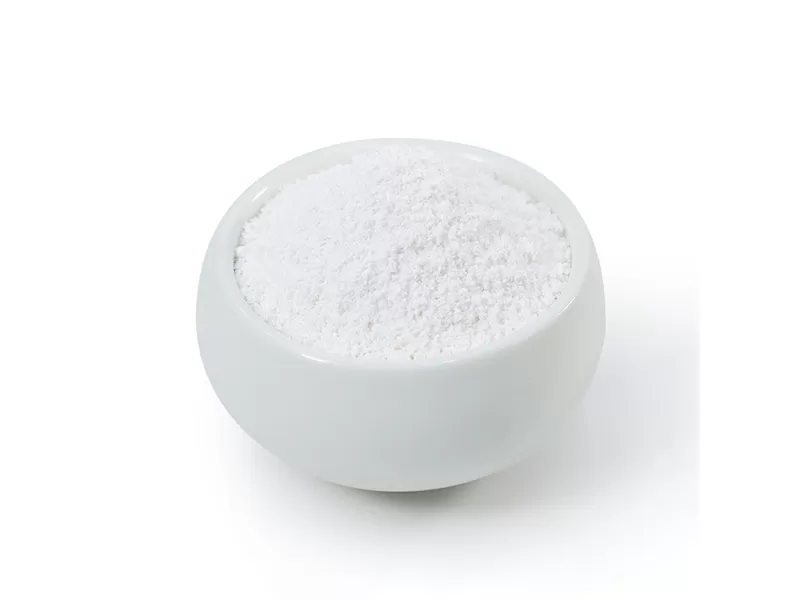
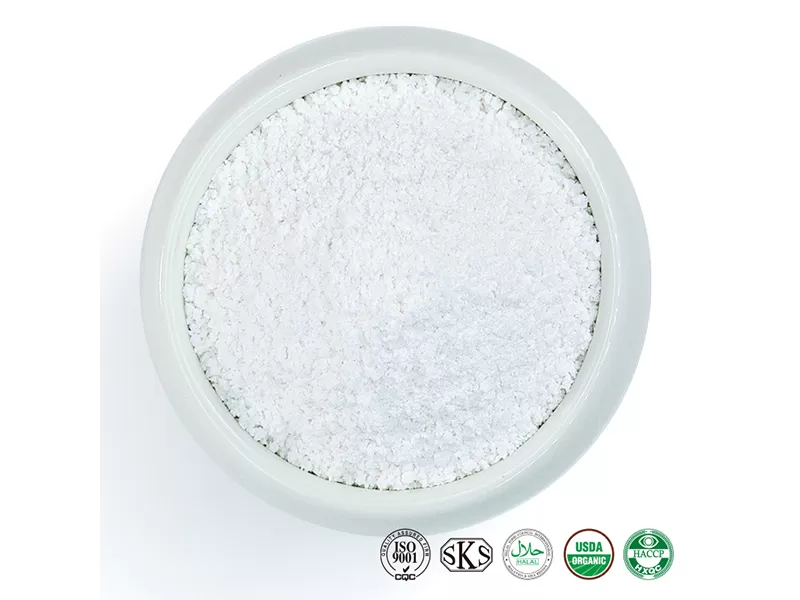
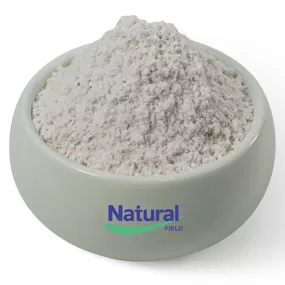
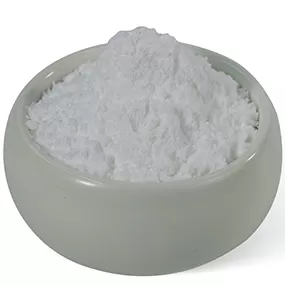
Pure L-theanine is often used at a relatively low inclusion level, so successful scale-up depends on more than the assay shown on a COA. Product developers should evaluate the material under the real processing conditions of the finished formula.
Premixing and Content Uniformity: A validated geometric-dilution or premix step may be needed before final blending. Confirm sampling locations and analytical recovery so the finished batch is uniform rather than relying only on blender time.
Beverage Dissolution and Clarity: Test dissolution at the formula's actual water temperature, pH, mineral level and total solids. Record dissolution time, haze, sediment and assay recovery after processing instead of using a generic soluble/insoluble statement.
Heat and PH Exposure: Beverage pasteurization, gummy cooking and acidic systems can introduce different thermal and pH stresses. Run pilot and shelf-life testing on the complete formula to verify retained assay and physical stability.
Taste and Ingredient Interactions: Evaluate the material with caffeine, minerals, acids, sweeteners and botanical extracts because the complete matrix can change bitterness, aftertaste or visual clarity.
Moisture and Packaging: Review water activity, hygroscopic behavior and the protection offered by the selected inner packaging, especially for powdered drinks and premixes.
L-theanine can be evaluated in nighttime formulations designed around mental relaxation and a smoother transition into an evening routine. Its role differs from melatonin, which is commonly associated with sleep–wake timing, and GABA, which is often used in neurotransmitter-focused formulations.
Within Natural Field’s NF TriSolve® Sleep Health Solution, L-theanine can complement GABA, magnesium glycinate, melatonin and selected botanical ingredients in balanced multi-ingredient formulas. It is suitable for capsules, gummies, powdered drinks and other products positioned around evening calm, relaxation and sleep preparation. For an L theanine pure powder project, buyers should request particle characteristics, available solubility data, storage conditions and representative samples before locking the manufacturing process.
 EN
EN
 es
es  jp
jp  ko
ko  fr
fr  de
de  it
it  ru
ru  pt
pt  th
th  ar
ar  ms
ms