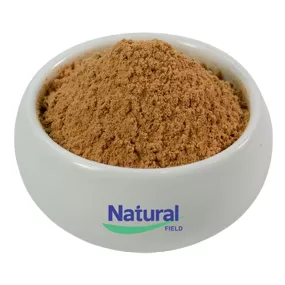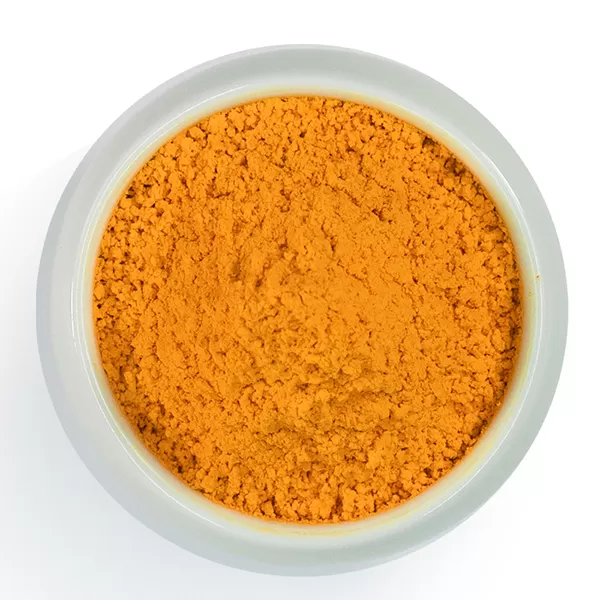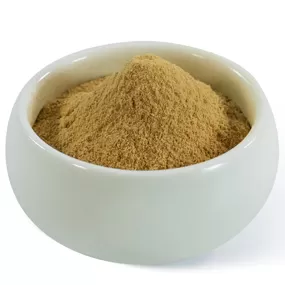

Coenzyme Q10 (CoQ10) is a popular supplement used for various health benefits, ranging from boosting energy levels to improving heart health. You might have also come across the term ubiquinol, which is often marketed alongside CoQ10. But are Coenzyme Q10 and ubiquinol the same thing? And what's the real difference between these two forms of the same nutrient? In this article, we'll break down the key differences, focusing on Coenzyme Q10 powder from trusted brands like Natural Field to help you understand which form might be right for you.
Coenzyme Q10, often referred to simply as CoQ10, is a naturally occurring antioxidant found in the cells of our body. It plays a vital role in energy production by aiding the mitochondria in converting food into energy. This nutrient is especially important for high-energy organs like the heart, liver, and kidneys, which rely heavily on CoQ10 for optimal function.
Our bodies produce CoQ10 naturally, but production tends to decline with age, which is why supplementation is often recommended, particularly for people over the age of 30. CoQ10 is also available in different forms, with the most common being CoQ10 powder, which is commonly found in dietary supplements.
In addition to its role in energy production, CoQ10 has powerful antioxidant properties that help protect the body's cells from oxidative damage. It is also linked to improved heart health, cognitive function, and general well-being.
Ubiquinol is the reduced, active form of CoQ10, while CoQ10 itself is the oxidized, inactive form. Both CoQ10 and ubiquinol are necessary for the body's cellular energy production, but the difference lies in their state of oxidation. Ubiquinol is the form that is immediately available for use in the body, whereas CoQ10 needs to be converted into ubiquinol in the body before it can be used effectively.
Ubiquinol is considered the more bioavailable form of CoQ10, meaning it is more easily absorbed and utilized by the body. This is particularly important for individuals with health conditions that may affect the body's ability to convert CoQ10 into ubiquinol. It's also why people who are older or those with specific health concerns may prefer ubiquinol supplements over standard CoQ10.
As with CoQ10, ubiquinol is also available in supplement form, including ubiquinol capsules or Coenzyme Q10 powder with added ubiquinol for enhanced absorption.
While both CoQ10 and ubiquinol are forms of the same antioxidant and play a similar role in the body, there are several key differences between them:
CoQ10: CoQ10 exists in its oxidized form, meaning it needs to be converted into ubiquinol to become active in the body. This process is fairly efficient in young, healthy individuals, but as we age or if we have certain health conditions, the conversion may become less effective.
Ubiquinol: Ubiquinol is the reduced, active form of CoQ10. It is already in its usable state and doesn't require conversion. This makes it a more bioavailable and readily absorbed form of the antioxidant, which is why it is often recommended for older adults or individuals with certain health conditions.
CoQ10: The bioavailability of CoQ10 is lower compared to ubiquinol, meaning that it is not absorbed as easily by the body. To enhance absorption, CoQ10 supplements are typically taken with fat, as it is fat-soluble.
Ubiquinol: Ubiquinol is more bioavailable and is absorbed more efficiently by the body compared to CoQ10. As a result, individuals taking ubiquinol may experience faster and more noticeable effects, especially if they have issues with CoQ10 conversion due to age or specific health conditions.
CoQ10: Younger individuals and those with a healthy ability to convert CoQ10 into ubiquinol may benefit from regular CoQ10 supplementation. For these individuals, CoQ10 works effectively to support energy production and provide antioxidant protection.
Ubiquinol: As we age, our body's ability to convert CoQ10 into ubiquinol declines, which is why ubiquinol may be a more effective choice for older adults or those with certain conditions that impair this conversion. Ubiquinol provides a more direct and potent form of CoQ10, offering improved energy levels and better protection against oxidative stress.
CoQ10: CoQ10 is generally less expensive than ubiquinol, making it a more budget-friendly option for those looking for the benefits of CoQ10 without the higher cost.
Ubiquinol: Ubiquinol tends to be more expensive due to its higher bioavailability and the additional processing required to convert CoQ10 into ubiquinol. However, for those who need a more bioavailable form or for those over the age of 40, the added cost may be worthwhile for the enhanced benefits.
CoQ10: For most healthy individuals, CoQ10 is effective in supporting general well-being, energy production, and heart health. However, people with specific conditions, such as chronic fatigue syndrome, Parkinson's disease, or cardiovascular disease, may experience more benefits from the ubiquinol form due to its higher bioavailability.
Ubiquinol: Ubiquinol is particularly effective for individuals who have difficulty converting CoQ10 due to age or health conditions. It's also more effective for conditions related to oxidative stress and cellular energy production, such as heart disease, neurodegenerative diseases, and diabetes.
The selection between CoQ10 powder and ubiquinol should be guided by the specific needs of your target application or end-user demographic.
For general wellness products targeting younger, healthy populations, standard CoQ10 offers a cost-effective solution with proven efficacy. However, for formulations aimed at older adults or individuals with reduced metabolic capacity to convert CoQ10, ubiquinol—the reduced, active form—may provide superior bioavailability and therapeutic benefit. Understanding your product positioning and consumer profile will help determine the optimal form to incorporate into your formulation.
For businesses seeking high-quality CoQ10 ingredients, Natural Field offers premium wholesale Coenzyme Q10 powder that can be seamlessly integrated into a range of health supplements. This high-grade Coenzyme Q10 provides a reliable source to support energy production, cardiovascular health, and overall wellness for end consumers.
To clarify, while Coenzyme Q10 and ubiquinol are related, they are distinct compounds. CoQ10, in its oxidized, inactive form, serves as the precursor to ubiquinol, the reduced, active antioxidant form. Ubiquinol is known for its superior bioavailability and absorption, making it a preferred option for older adults or individuals with specific health concerns. On the other hand, CoQ10 remains a solid choice for those in optimal health, supporting energy levels and offering protection against oxidative damage.
Both forms of Coenzyme Q10 are available in high-quality powder form from trusted suppliers like Natural Field, ensuring that businesses can source premium ingredients for their products, backed by a commitment to quality and efficacy.
Natural Field Antioxidant Ingredients Recommendation:

Professor and Ph.D. Supervisor, School of Pharmaceutical Sciences, Southern Medical University. Head of the Functional Ingredient R&D Center, Natural Field. Professor Chong Li is a distinguished researcher in the field of advanced drug delivery systems and pharmaceutical technology innovation.


 EN
EN
 es
es  jp
jp  ko
ko  fr
fr  de
de  it
it  ru
ru  pt
pt  th
th  ar
ar  ms
ms