
Vitamin C remains one of the most widely used functional ingredients in nutraceutical formulations. However, conventional ascorbic acid faces well-recognized bioavailability limitations, creating challenges for brands aiming to differentiate high-dose or premium products.
Liposomal delivery systems have emerged as a next-generation solution, enabling improved absorption efficiency and formulation performance. As a manufacturer of liposomal raw materials, Natural Field supports brands in developing high-bioavailability Vitamin C formulations with scalable and stable delivery systems.
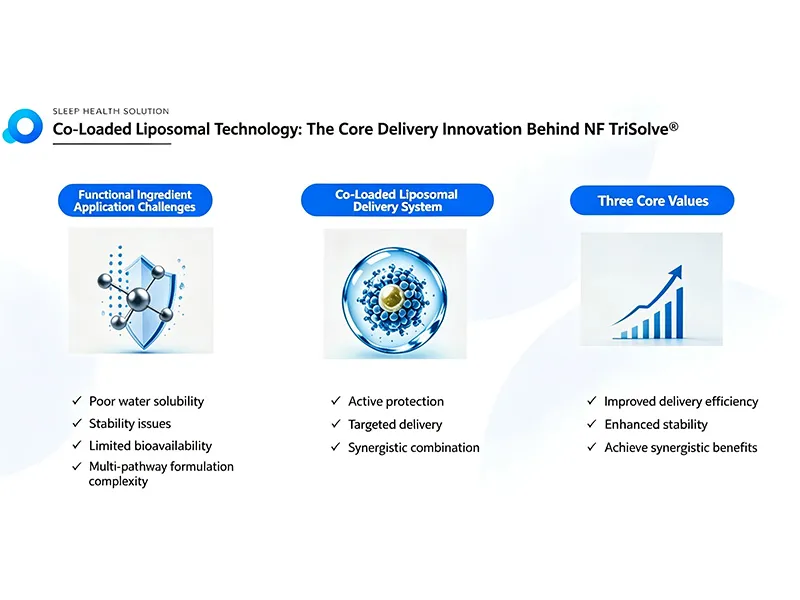
Conventional ascorbic acid relies on SVCT1 transporters, which exhibit saturation kinetics at higher dosages. This creates a formulation bottleneck for brands targeting high-strength Vitamin C products, as increasing dosage does not proportionally improve systemic availability.
Liposomal encapsulation offers an alternative delivery pathway, reducing dependence on transporter-mediated absorption and enabling more efficient nutrient uptake. This allows formulators to design lower-dose yet higher-performance products.
Clinical studies demonstrate that liposomal encapsulation provides a "shield" for nutrients. This shield offers three distinct physiological advantages:
1. Protection from Degradation
Many nutrients, including Vitamin C, are sensitive to oxidation and pH changes. The lipid bilayer protects the core ingredients from the highly acidic environment of the stomach, ensuring they reach the small intestine intact.
2. Extended Retention Time
One of the most significant findings is that liposomal delivery not only reaches a higher peak concentration in the blood but also stays in the system longer. This sustained-release effect ensures that cells have a continuous supply of antioxidants.
3. Superior Targeted Delivery
Because liposomes mimic the body’s cell membranes, they are particularly effective at delivering nutrients directly to where they are needed most, whether it’s for immune cell support or intracellular antioxidant protection.
In the beauty-from-within category, liposomal Vitamin C is increasingly used in premium formulations due to its improved bioavailability and compatibility with other active ingredients such as glutathione. [3]
For brands targeting skin health positioning, liposomal delivery enables:
More efficient collagen-related formulations
Synergistic antioxidant systems
Reduced formulation constraints associated with high-dose acidic ingredients
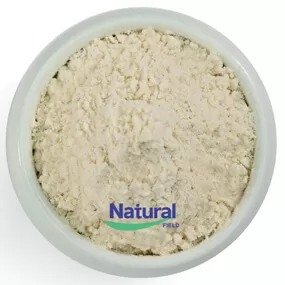
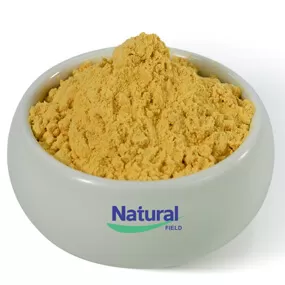
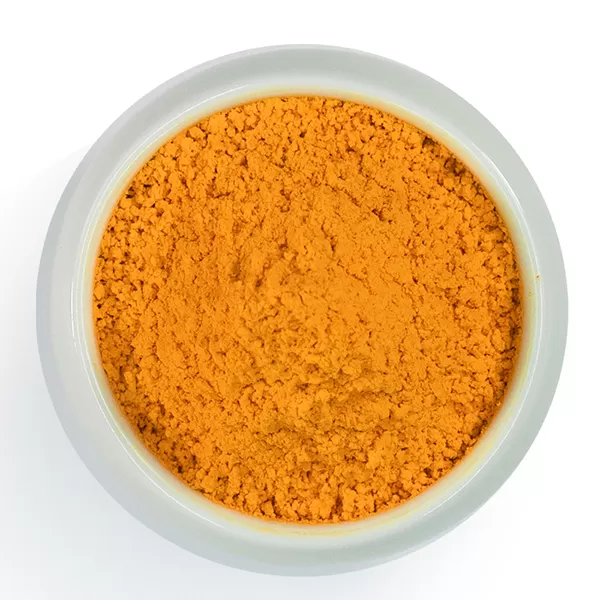
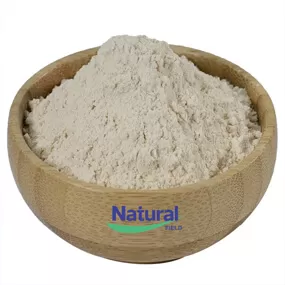
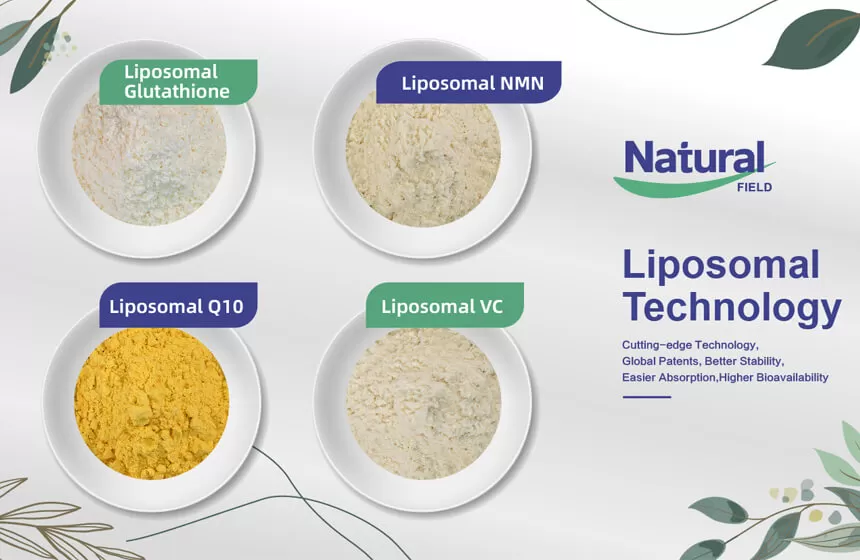
Natural Field specializes in solid-state liposomal powder manufacturing, offering improved stability and scalability compared to traditional liquid liposomes.
Our portfolio includes liposomal delivery solutions for a range of functional ingredients, enabling brands to develop differentiated formulations across longevity, beauty, and sports nutrition categories.
Liposomal Glutathione Powder: Designed for antioxidant-focused formulations
Liposomal NMN Powder: Supports NAD+ precursor delivery in longevity products
Liposomal CoQ10 Powder: Improves dispersion and absorption of fat-soluble compounds
Liposomal Curcumin & Creatine: Suitable for anti-inflammatory and performance-oriented formulations
Scalable Production: Designed for bulk supply and industrial application
Consistent Particle Size Control: Ensures batch-to-batch stability
Custom Formulation Support: Tailored liposomal systems based on target applications
Compliance & Certification: Meets international food and nutraceutical standards
As the nutraceutical market becomes increasingly crowded, differentiation through efficacy is the only way to build long-term brand loyalty. Whether it’s Vitamin C or advanced longevity molecules like NMN, the shift to liposomal delivery represents a major leap in science-backed wellness.
Natural Field is proud to be the engine behind this shift, providing the high-purity liposomal ingredients and technical innovation needed to make superior health outcomes a reality. Explore our range of liposomal powder and discover how we can elevate your product line to the next level of bioavailability.
Improved stability: The phospholipid bilayer protects Vitamin C from oxidation and degradation caused by heat, light, and pH changes.
Enhanced bioavailability: Liposomal encapsulation reduces dependence on SVCT1 transporters, enabling more efficient absorption.
Better compatibility: It can be more easily integrated into complex formulations alongside other sensitive or high-value actives.
These advantages make liposomal Vitamin C particularly suitable for premium nutraceutical and beauty-from-within products.
Liposomal Vitamin C typically has a higher production cost due to:
Advanced encapsulation technologies
Higher raw material requirements
More complex quality control processes
However, this increased cost is often justified by:
Premium product positioning
Lower required dosage for similar or improved performance
Stronger differentiation in competitive markets
As a result, liposomal Vitamin C is commonly used in high-end or performance-driven formulations.
Liposomal Vitamin C, especially in powder form, is highly versatile and compatible with standard supplement manufacturing formats, including:
Capsules and tablets
Sachets and stick packs
Powder blends
Functional beverages and drink mixes
This flexibility allows brands to develop a wide range of finished products without requiring major changes to existing production lines.
Yes. Liposomal Vitamin C is often used in combination with other functional ingredients to create synergistic formulations. Common combinations include:
Glutathione: for enhanced antioxidant and skin health positioning
NMN: for longevity and cellular energy support
CoQ10: for mitochondrial and cardiovascular formulations

Professor and Ph.D. Supervisor, School of Pharmaceutical Sciences, Southern Medical University. Head of the Functional Ingredient R&D Center, Natural Field. Professor Chong Li is a distinguished researcher in the field of advanced drug delivery systems and pharmaceutical technology innovation.
 EN
EN
 es
es  jp
jp  ko
ko  fr
fr  de
de  it
it  ru
ru  pt
pt  th
th  ar
ar  ms
ms