
In today’s nutraceutical market, one of the most persistent challenges faced by supplement brands and manufacturers is not ingredient sourcing, but ensuring that active compounds are effectively absorbed after ingestion. Many high-value nutrients degrade in the digestive tract before reaching systemic circulation, resulting in reduced efficacy, higher formulation costs, and inconsistent consumer outcomes.
For nutraceutical companies, this bioavailability gap directly impacts product performance, customer satisfaction, and brand credibility. As a result, advanced delivery systems such as liposomal technology are becoming an essential component in next-generation supplement formulations.
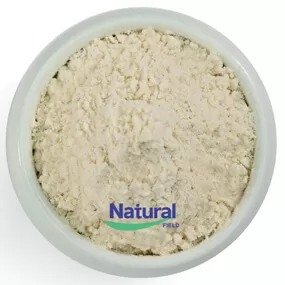
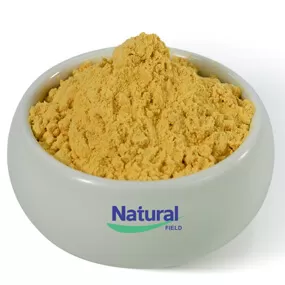
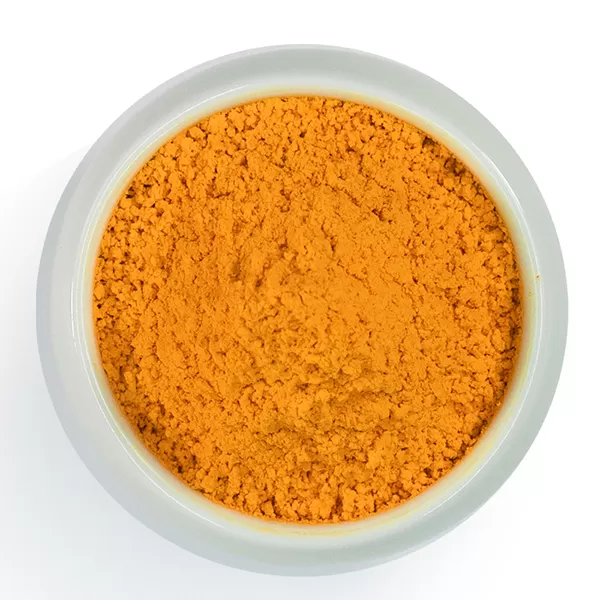
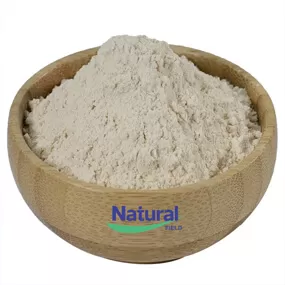
As a professional liposomal powder supplier, Natural Field provides high-purity phospholipids and industrial-scale liposomal powders that enable manufacturers to develop high-performance formulations with improved stability and absorption.
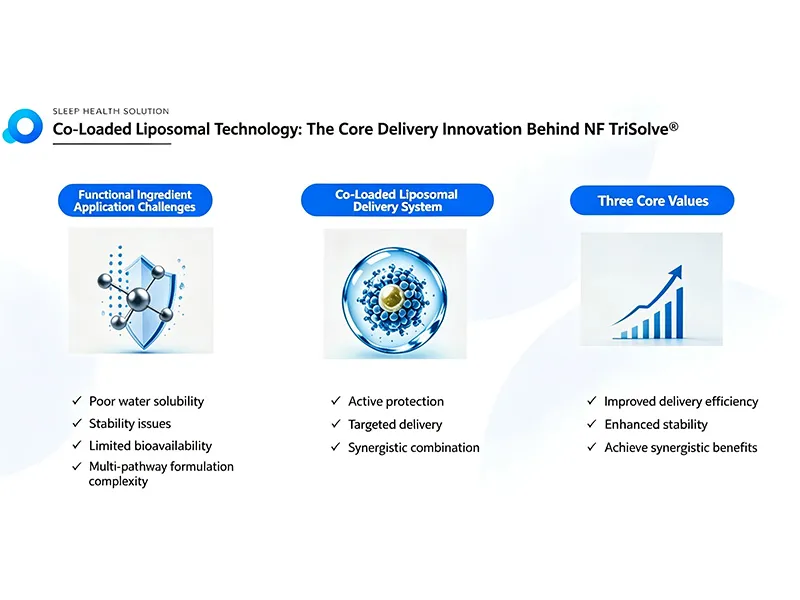
At its core, a liposome is a microscopic, spherical vesicle composed of one or more phospholipid bilayers. This structure is virtually identical to the membranes that surround every cell in the human body.
Liposomes act as "smart carriers". They encapsulate active ingredients, whether they are water-soluble (like Vitamin C) or fat-soluble (like Curcumin), within their protective lipid shells. This encapsulation creates a bio-identical shield that protects the nutrient from degradation and facilitates direct delivery to the bloodstream and cells.
Phospholipid Bilayer: Typically derived from high-quality sources like sunflower or soy lecithin.
Hydrophilic Core: A water-loving center that holds water-soluble nutrients.
Hydrophobic Layer: The space between the lipid tails that can house fat-soluble compounds.
The true power of liposomal delivery lies in its ability to bypass the bioavailability gap. Traditional supplements often suffer from the "first-pass effect", where the liver and digestive enzymes significantly reduce the concentration of the active compound.
The stomach is a highly acidic environment designed to break down organic matter. Liposomes act as a protective "Trojan Horse," shielding the encapsulated nutrient from harsh pH levels.
Because liposomes are made of phospholipids, the same material as our cell membranes, they can fuse directly with the cell wall. This allows the nutrient to be released directly into the intracellular space, bypassing the energy-intensive active transport mechanisms usually required by standard supplements.
Unlike traditional nutrients that enter the portal vein and go straight to the liver, liposomes can be absorbed via the lymphatic system in the gut. This allows the nutrient to enter systemic circulation more efficiently.
In the context of nutrient delivery, it is common to hear the terms "liposomes" and "micelles" used interchangeably, but they are structurally and functionally distinct:
Micelles: These are single-layer structures where the tails of the lipids point inward. They are excellent for solubilizing fats in water but are generally less stable and less efficient at protecting complex nutrients than liposomes.
Liposomes: These are double-layered vesicles. This bilayer structure makes them more robust and capable of carrying a wider variety of molecules, offering a more advanced time-release potential.
For manufacturers looking to create premium products, choosing the right delivery system is crucial. Natural Field provides the high-purity phospholipids necessary to ensure that liposomes remain stable and effective throughout their shelf life.
As the global nutraceutical market becomes increasingly competitive, brands are under pressure to differentiate their products not only through ingredient selection but also through demonstrable bioavailability and performance. Consumers are more informed than ever and expect noticeable results from supplementation.
Liposomal technology provides several advantages that directly address these market expectations:
Higher Plasma Exposure: Encapsulation can improve the measurable concentration of certain nutrients in circulation compared with conventional oral forms.
Improved Gastrointestinal Tolerance: By limiting direct contact between active compounds and the gastrointestinal lining, liposomes may reduce irritation associated with high‑dose supplementation.
Formulation Versatility: Liposomal systems can be engineered for controlled or targeted release depending on lipid composition and particle characteristics.
The performance of any liposomal supplement is closely linked to the quality of its raw materials and the precision of its manufacturing process. As a supplier specializing in liposomal ingredient technology, Natural Field supports nutraceutical manufacturers with scalable production, standardized particle size distribution, and high encapsulation efficiency.
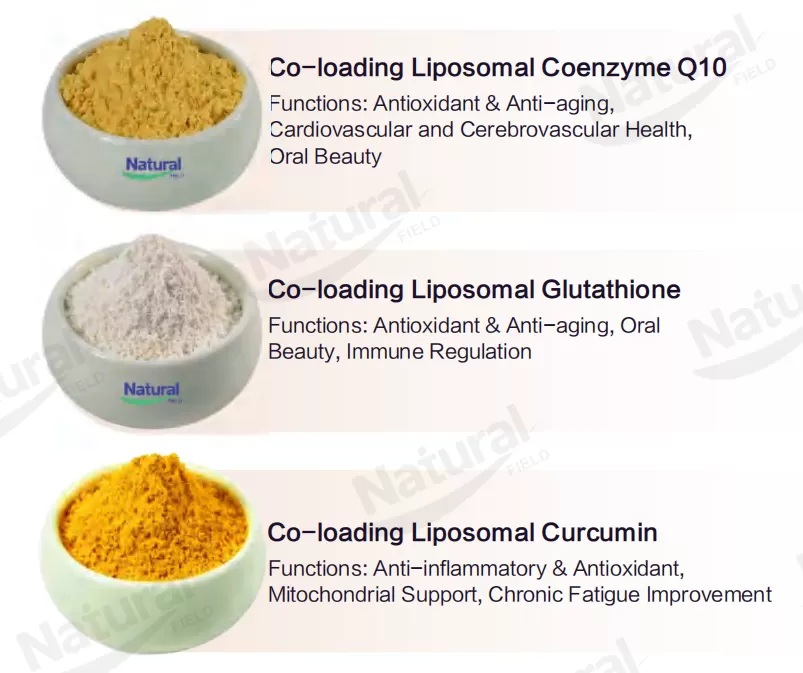
Natural Field provides liposomal raw materials for a range of high‑demand applications, including:
These ingredients are designed for use in finished product manufacturing, private label development, and custom formulation projects.
While early liposomal products were predominantly developed in liquid form, powder-based liposomes have become increasingly preferred in large-scale nutraceutical manufacturing. This shift is driven by their superior storage stability, improved handling and transportation efficiency, and compatibility with conventional supplement processing equipment.
Natural Field utilizes advanced spray-drying and freeze-drying technologies to produce liposomal powders in solid form. Compared to liquid liposomes, this approach helps minimize leakage of active ingredients, extends shelf life, and provides greater flexibility for formulators across capsules, tablets, sachets, and functional food applications. This makes liposomal powder particularly suitable for scalable production and global distribution.
Liposomal technology is an advanced nano-encapsulation delivery system that uses microscopic, spherical vesicles called liposomes to transport nutrients. These liposomes are composed of a phospholipid bilayer, which is structurally identical to human cell membranes. Liposomal technology protects the nutrients from degradation in the digestive tract and allows them to be delivered directly to the cells, significantly enhancing bioavailability.
In the nutraceutical industry, liposomal technology is primarily used to overcome the low absorption rates of traditional oral supplements. It is used to encapsulate both water-soluble nutrients and fat-soluble compounds. By providing a protective shield, it prevents stomach acid and digestive enzymes from breaking down the ingredients, ensuring that a much higher percentage of the nutrient reaches the bloodstream and target tissues.
Yes. Liposomal formulations can achieve significantly higher plasma concentrations compared to standard oral supplements. This is because liposomes bypass the bioavailability ceiling of traditional digestion by protecting the nutrient from the harsh pH of the stomach.
When sourcing liposomal ingredients, brands should evaluate several key technical and supply factors, including encapsulation efficiency, particle size consistency, and the stability of liposomes during storage and transportation. The type and purity of phospholipids used also play a critical role in overall performance, while manufacturing processes such as spray-drying or freeze-drying can significantly impact product quality and scalability. In addition, reliable suppliers should provide complete technical documentation, including COA, MSDS, and detailed product specifications, to ensure compliance and formulation transparency.
The main difference between liquid and powder liposomal ingredients lies in their stability and industrial applicability. Liquid liposomes are typically used in small-scale or ready-to-consume products, whereas liposomal powders are more suitable for large-scale manufacturing due to their improved stability, longer shelf life, and easier transportation and storage. In addition, powder forms offer greater flexibility in formulation, making them compatible with capsules, tablets, and powdered blends, which are widely used in the nutraceutical industry.
Liposomal ingredients are widely used across multiple industries that require enhanced bioavailability and advanced delivery systems, including dietary supplements, functional foods and beverages, sports nutrition products, and increasingly in cosmetic and personal care formulations where ingredient stability and penetration efficiency are important.
Yes, liposomal powders are specifically developed to integrate seamlessly into standard supplement manufacturing processes, including capsule filling, tablet compression, sachet production, and powder blending systems. Their solid-state format makes them particularly suitable for industrial-scale applications while maintaining the functional advantages of liposomal delivery.

Professor and Ph.D. Supervisor, School of Pharmaceutical Sciences, Southern Medical University. Head of the Functional Ingredient R&D Center, Natural Field. Professor Chong Li is a distinguished researcher in the field of advanced drug delivery systems and pharmaceutical technology innovation.
 EN
EN
 es
es  jp
jp  ko
ko  fr
fr  de
de  it
it  ru
ru  pt
pt  th
th  ar
ar  ms
ms