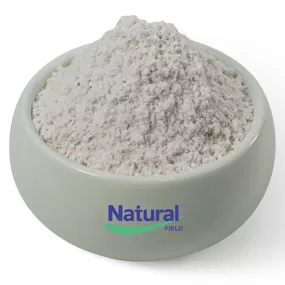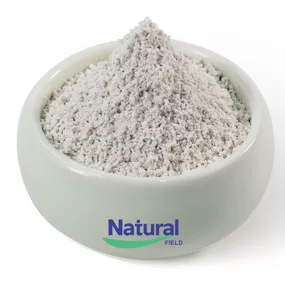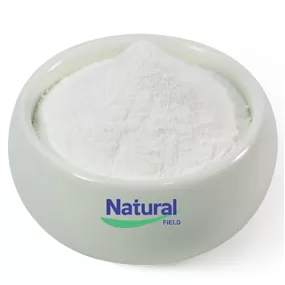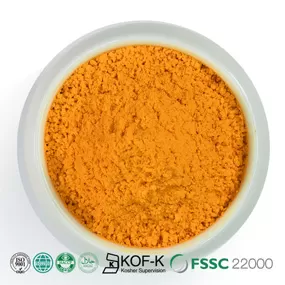

As a globally popular herbal health ingredient in recent years, the efficacy of Ashwagandha (Withania somnifera) hinges on its bioactive compounds like withanolides and flavonoids. The quality of extraction technology directly determines the retention rate and activity of these ingredients, as well as the application scenarios and user experience of end products. From early traditional maceration to today’s modern multi-technology integrated solutions, the iteration of Ashwagandha extraction technology has always centered on the core goal of "maximizing activity and solving application pain points" — and Natural Field’s "NF Ashwa" process stands as a representative breakthrough in addressing the industry’s key bottlenecks.
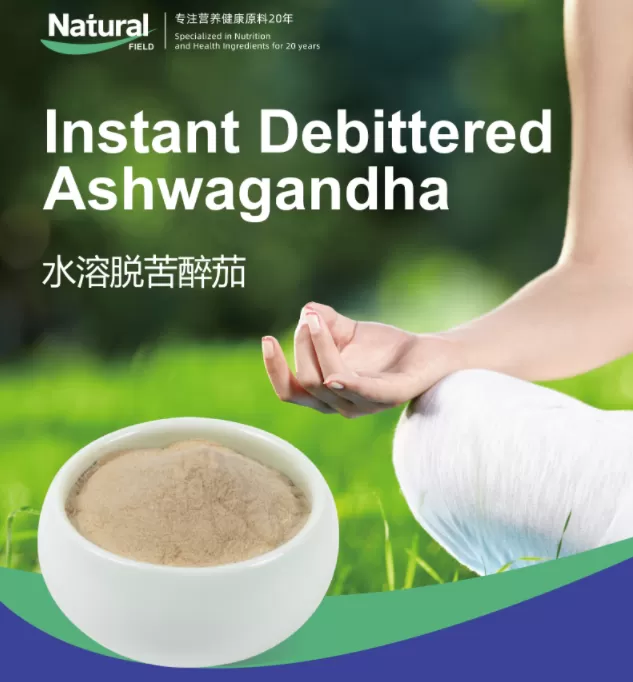
Before the widespread adoption of biopharmaceutical technology, Ashwagandha extraction relied primarily on classic solvent-based maceration. The core principle involves solvents penetrating plant cells to dissolve and separate bioactive components.
Maceration Extraction: The most commonly used traditional method, following the logic of "gentle steeping." It operates at low temperatures with a mild process, maximizing the preservation of heat-labile and oxidation-prone bioactive substances in Ashwagandha. Particularly suitable for sensitive herbal raw materials, it was the preferred choice for early Ashwagandha extraction.
Percolation, Reflux, and Soxhlet Extraction: Complementary methods with distinct focuses. Percolation enhances extraction uniformity through continuous leaching, while reflux and Soxhlet extraction improve efficiency via heating or cyclic extraction. However, compared to maceration, they are less effective at retaining thermosensitive components.
These traditional methods offer advantages such as simple operation and controllable costs, but they have obvious limitations — low extraction efficiency (maxing out at only 25.7%) and inability to resolve critical issues in subsequent product applications.
With technological advancements, modern processes like ultrasonic-assisted extraction, microwave-assisted extraction, supercritical fluid extraction, and subcritical water extraction have gradually replaced traditional methods. Their key breakthroughs lie in "efficient cell wall disruption" and "yield/efficiency improvement."
Ultrasonic and Microwave-Assisted Extraction: No high temperature required. High-frequency sound waves or microwave vibrations break down plant cell walls, enabling faster release of bioactive components. Extraction efficiency is significantly higher than traditional methods (microwave-assisted extraction reaches 30.2%).
Subcritical Water Extraction: Delivers the most outstanding performance, with extraction efficiency soaring to 65.6%. It also synchronously increases the concentration of bioactive ingredients like withanolides and phenols in the extract, becoming the industry’s mainstream high-efficiency extraction solution.
Despite solving the "efficiency" problem, modern technologies still face two insurmountable pain points in the industrial application of Ashwagandha Extract:
Water Solubility Limitation: Core bioactive components such as lipid-soluble withanolides are naturally poorly soluble in water. They cannot stably disperse in mainstream water-based products like functional beverages, oral liquids, and transparent drops, restricting application scenarios.
Palatability Barrier: Alkaloids like anahidine and cocaethylene in the extract have a distinct natural bitterness. This is highly unfriendly to bitter-sensitive groups such as children and the elderly, directly reducing consumer acceptance of end products.
To address these industry pain points, Natural Field’s "NF Ashwa" process achieves a leap from "extraction" to "optimization" through technology integration, emerging as a core solution for the industrialization of Ashwagandha Extract.
1. Premium Raw Material Selection: Quality Control from the Source
The NF Ashwa process starts with high-quality raw materials — either imported Indian whole-plant Ashwagandha or more potent Chinese Ashwagandha roots. This ensures the base content of core bioactive ingredients like withanolides, laying a solid foundation for subsequent extraction and optimization.
2. Technology Integration: Dual Support from Modernized TCM Extraction and Nanoformulation
Unlike single extraction technologies, the NF Ashwa process combines professional modernized traditional Chinese medicine extraction technology with advanced nanoformulation technology:
First, modernized TCM extraction technology precisely separates bioactive components, maximizing the retention of the biological activity of withanolides and flavonoids.
Then, nanoformulation technology conducts molecular-level optimization, fundamentally improving the water solubility of lipid-soluble components while specifically removing bitter alkaloids.
3. Three Core Advantages: Redefining Ashwagandha Extract
Water Solubility Leap: After NF Ashwa processing, withanolides can quickly and uniformly disperse in aqueous systems. This completely breaks the application limitations of water-based products, enabling innovative formulations like functional beverages, oral liquids, and transparent drops.
Palatability Upgrade: Effectively reduces the natural bitterness of traditional extracts, making end products milder in taste. It caters to bitter-sensitive groups such as children and the elderly, boosting product acceptance.
Enhanced Safety: Targeted reduction of toxic components like withaferin A to below 0.01% (even lower for products made with Chinese Ashwagandha roots), far exceeding industry safety standards and ensuring safe product use.
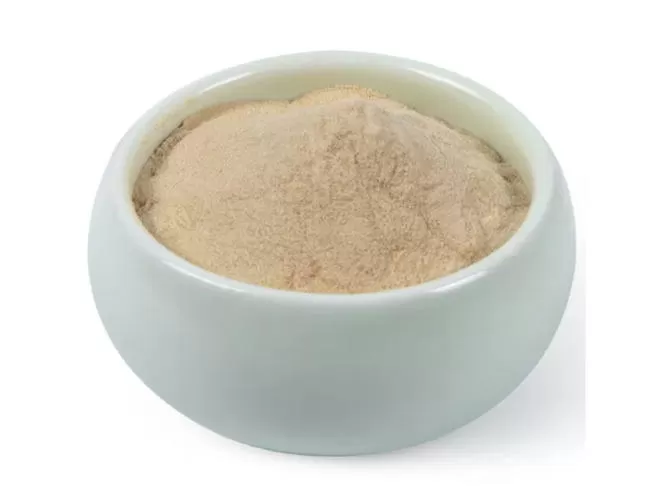
The emergence of the NF Ashwa process not only solves the key pain points in Ashwagandha extraction but also brings more innovative possibilities to sectors like health foods, functional beverages, and dietary supplements.
Whether it’s transparent oral liquids, refreshing functional drinks, or mild supplements for specific groups, Ashwagandha Extract processed via the NF Ashwa process can adapt to the production needs of different formulations. It allows the efficacy of herbal ingredients to be better integrated into daily life.
From the "activity preservation" of traditional maceration to the "efficiency improvement" of modern technologies, and finally to the "pain point resolution" of the NF Ashwa process, each iteration of Ashwagandha extraction technology drives the industrialization of this herbal ingredient. Through triple optimization of raw materials, technology, and efficacy, Natural Field’s "NF Ashwa" process not only solves the industry’s water solubility and palatability challenges but also fully unleashes the efficacy value of Ashwagandha. In the future, with continuous technological upgrades, more high-quality Ashwagandha products are expected to enter people’s lives. Choose NF Ashwa Instant Debittered Ashwagandha from Natural Field to help your health products break through formulation limitations, win user favor, and seize core competitiveness in the herbal health track!

Professor and Ph.D. Supervisor, School of Pharmaceutical Sciences, Southern Medical University. Head of the Functional Ingredient R&D Center, Natural Field. Professor Chong Li is a distinguished researcher in the field of advanced drug delivery systems and pharmaceutical technology innovation.

.webp "How to Choose a China Coenzyme Q10 Bulk Powder Manufacturer?")
 EN
EN
 es
es  jp
jp  ko
ko  fr
fr  de
de  it
it  ru
ru  pt
pt  th
th  ar
ar  ms
ms