
Still sleeping on the "efficacy bottleneck" plaguing your functional ingredients?
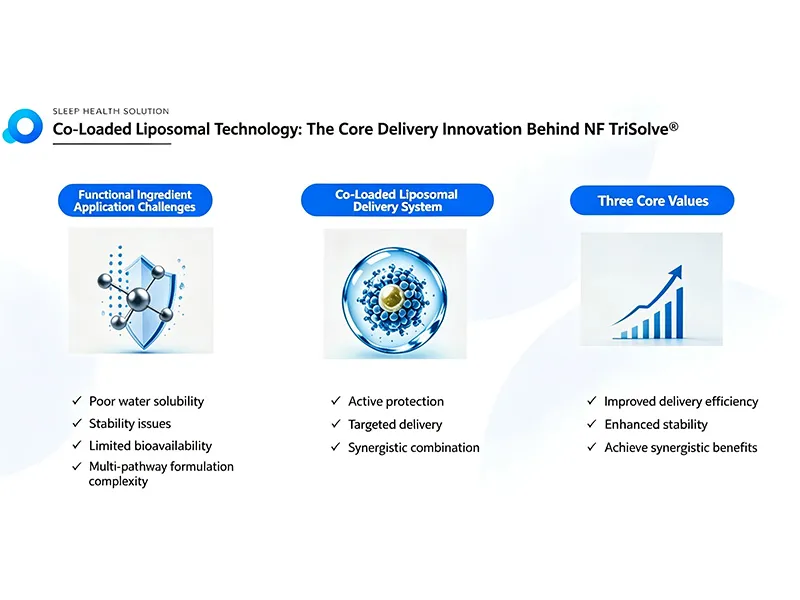
When you sink money into developing a wellness product, only for end consumers to feel zero tangible results because your ingredients have lousy absorption and poor stability — chances are, your delivery tech is the weak link. Today, though, liposome technology is shattering that bottleneck — and the innovative use of co-loaded liposomes, in particular, is shaking up the functional ingredient supply chain.
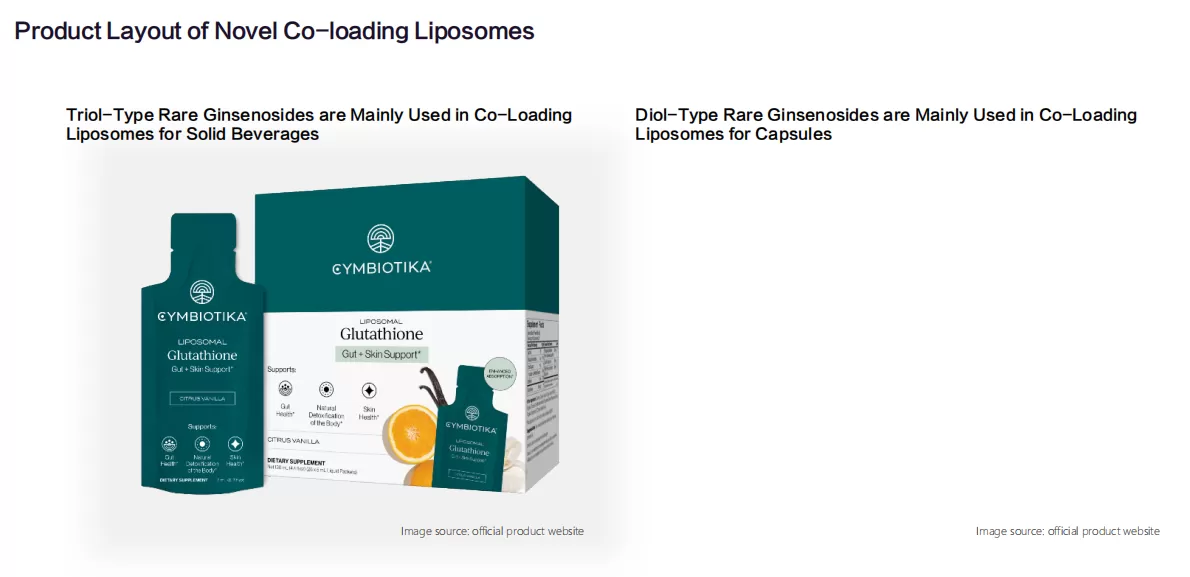
Different end-product formulations have wildly different demands for ingredient delivery systems. Thanks to liposomes' versatility, the industry's landed on targeted co-loading strategies (take Natural Field's product practices as a reference):
Triol-Type Rare Ginsenosides: Built for Powdered Beverages
This liposome formula plays nice with powdered beverage manufacturing processes and consumer use cases — it stays structurally stable when mixed with liquid, so the active ginsenoside compounds release efficiently.
Diol-Type Rare Ginsenosides: Perfect for Capsule Formulations
Capsules' sealed environment is ideal for storing this type of liposome — plus, it keeps stomach acid from breaking down the active ingredients, so the nutrients get absorbed precisely in the intestines.
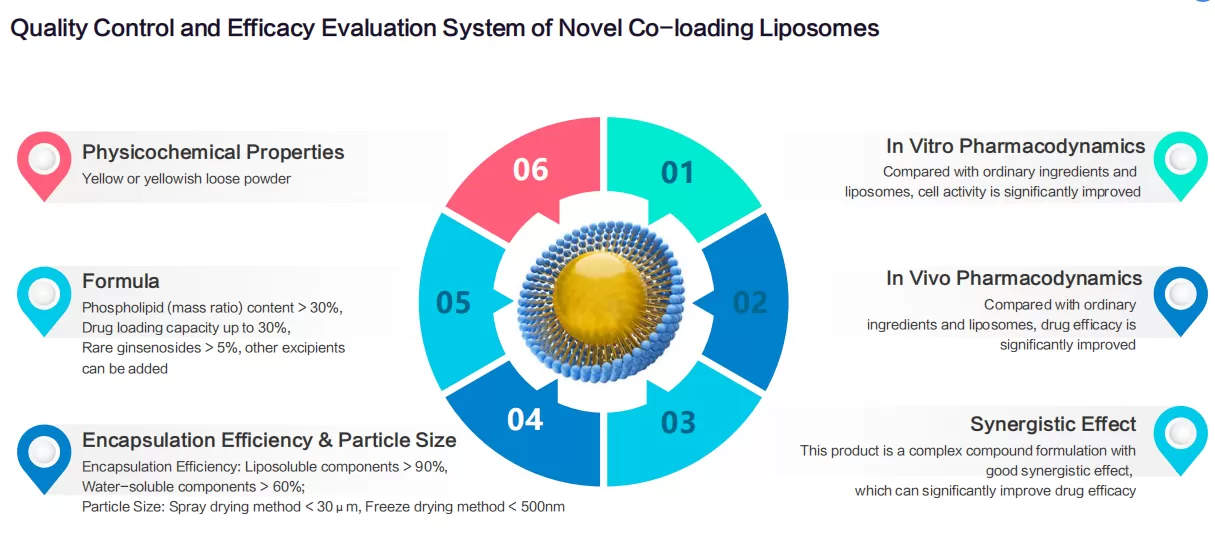
The value of liposome tech ultimately boils down to two things: stability and effectiveness. A robust evaluation framework is the backbone of quality control in B2B supply chains:
Efficacy Metrics: Dual Boost From Cell Culture to In-Vivo Performance
In-Vitro Pharmacodynamics: Compared to standard ingredients or basic liposomes, cell viability sees a meaningful jump.
In-Vivo Pharmacodynamics: Efficacy gets a measurable lift — so your end product actually delivers on its promises for consumers.
Synergistic Effects: As a multi-ingredient formulation, it pairs synergistically with various functional ingredients to amp up your product's overall value.
Quality Metrics: End-to-End Checks That Count
Formulation Design: Phospholipid content ≥30%, drug loading capacity up to 30%, and rare ginsenoside content ≥5% — striking a balance between potency and stability.
Encapsulation Efficiency & Particle Size: ≥90% encapsulation for fat-soluble ingredients, ≥60% for water-soluble ones; particle size tailored to your needs (<30μm for spray-dried blends; <500nm for lyophilized options).
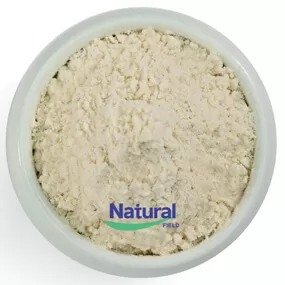
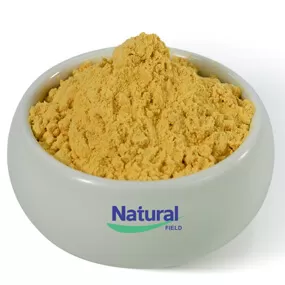
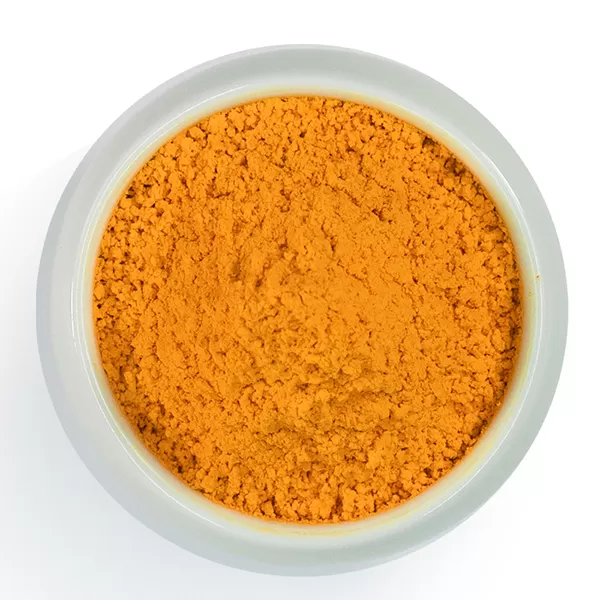
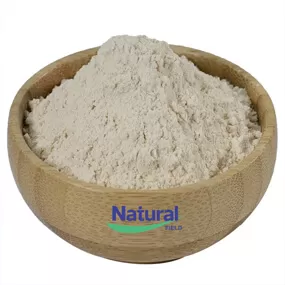
Physicochemical Properties: Appears as a pale yellow to yellow fluffy powder, compatible with a wide range of manufacturing processes.
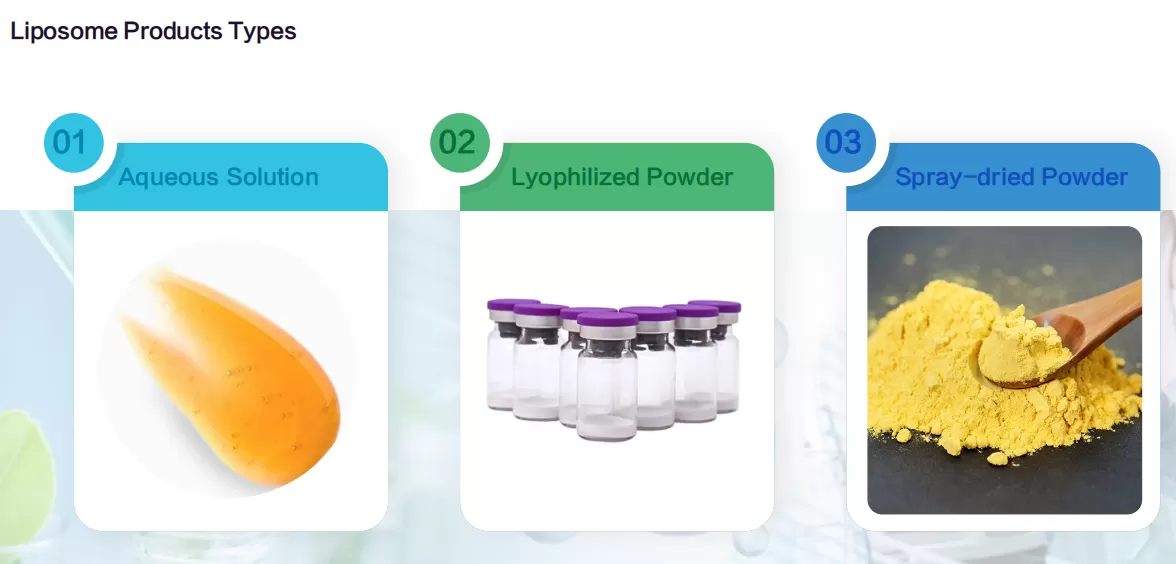
To meet the diverse manufacturing needs of end brands, liposome ingredients come in 3 core delivery formats:
Aqueous Solution: Works for liquid beverages, oral solutions, and similar formulations — ready to use right out of the package, cutting down on production steps.
Lyophilized Powder: Ideal for premium products — it's highly stable, and retains most of its activity once reconstituted.
Spray-Dried Powder: Easy to store and blend — the go-to pick for powdered beverages and compressed candy.
For B2B brands, liposome tech fixes 3 major pain points:
Boost Ingredient Efficiency: Ditch the waste of "high cost, low absorption."
Amplify Product Differentiation: Lean into "high-efficiency delivery" as a key selling point to stand out from generic competitors.
Expand Formulation Possibilities: Co-loading tech enables multi-ingredient synergy, making complex functional formulas a reality.
As a specialized supply chain partner in the functional liposome space, Natural Field offers end-to-end support — from co-loaded liposome ingredients to custom-tailored solutions — and aligns directly with end brands' formulation needs.
Whether you' re after triol-type ginsenoside liposomes for powdered beverages or diol-type blends for capsule formulations, our standardized quality control and flexible delivery formats let you launch high-performance wellness products quickly.
Reach out to us today to kickstart your liposome formulation innovation!

Professor and Ph.D. Supervisor, School of Pharmaceutical Sciences, Southern Medical University. Head of the Functional Ingredient R&D Center, Natural Field. Professor Chong Li is a distinguished researcher in the field of advanced drug delivery systems and pharmaceutical technology innovation.
 EN
EN
 es
es  jp
jp  ko
ko  fr
fr  de
de  it
it  ru
ru  pt
pt  th
th  ar
ar  ms
ms