EN
EN
 es
es  jp
jp  ko
ko  fr
fr  de
de  it
it  ru
ru  pt
pt  th
th  ar
ar  ms
ms 
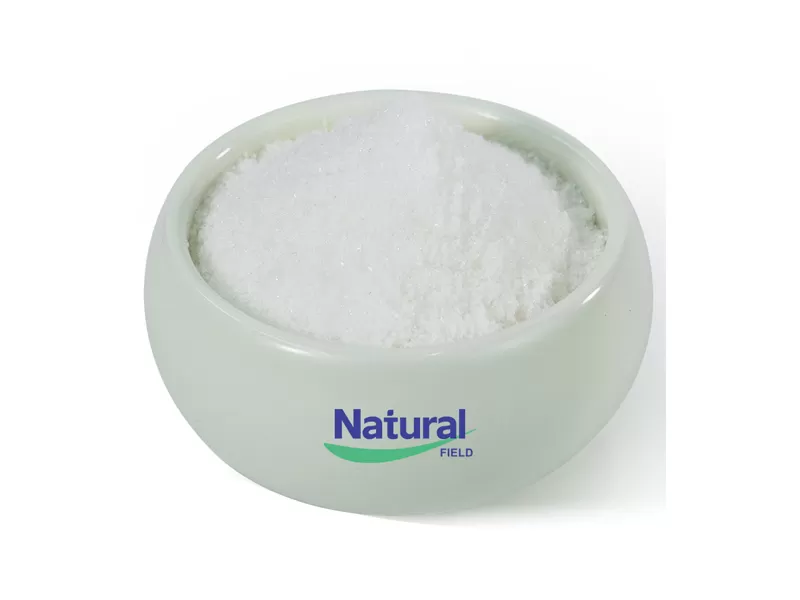
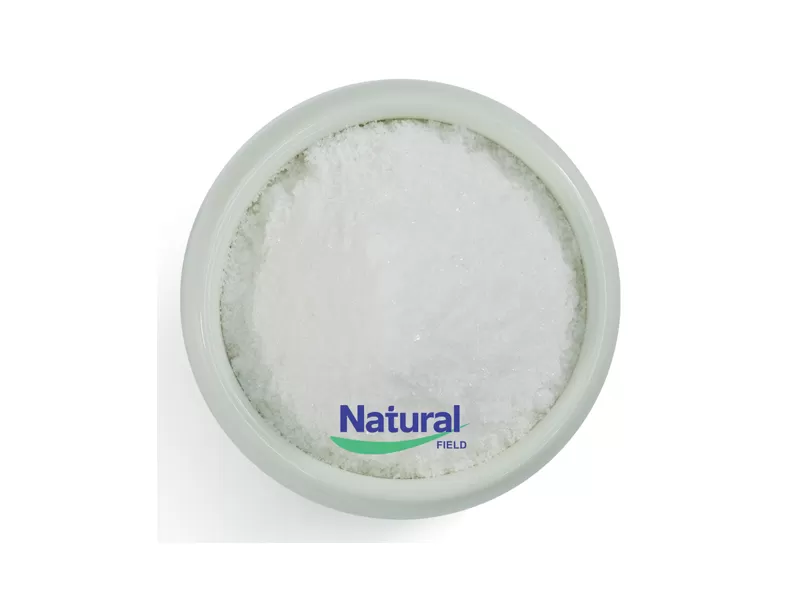
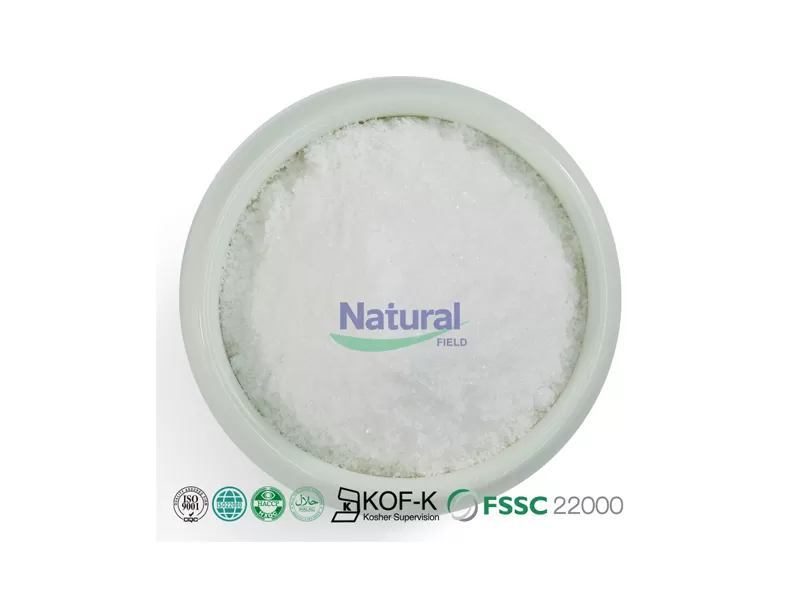
4-Aminobutyric acid (4-AB), also known as Gamma Aminobutyric Acid (GABA), is a naturally occurring non-protein amino acid with the molecular formula C₄H₉NO₂ and a molecular weight of 103.12. It is widely present in animals, plants, and microorganisms and functions as the primary inhibitory neurotransmitter in the mammalian central nervous system. As a key compound involved in neural signaling balance, GABA plays an important role in supporting normal physiological regulation, stress response, and overall nervous system function.
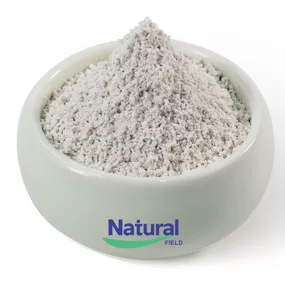
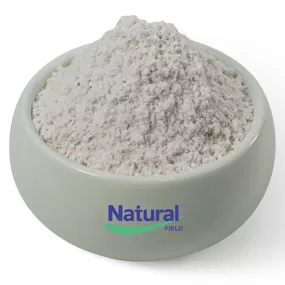
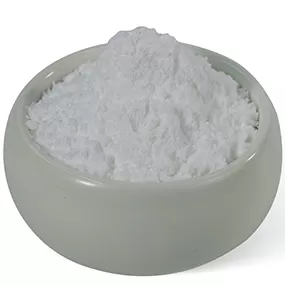
Natural Field supplies high-purity bulk GABA powder with stable batch consistency and excellent formulation compatibility. It is widely used as a functional nutritional ingredient in dietary supplements and wellness formulations.
CAS No: 56-12-2
Molecular Formula: C4H9NO2
Specification: 98%
Product name | 4-Aminobutyric acid |
Molecular formula | C4H9NO2 |
Molecular weight | 103.1 |
CAS | 56-12-2 |
Exterior | white crystal |
| Application | Neural balance, sleep quality improvement, brain active ingredients |

GABA is synthesized in living organisms primarily through the GABA shunt pathway, where L-glutamate is converted into GABA by the enzyme glutamate decarboxylase (GAD). In plants, GABA can also be produced through polyamine metabolism pathways, particularly under environmental stress conditions.
In the human body, GABA functions as an inhibitory neurotransmitter that helps regulate neural signaling activity and maintain nervous system balance.
Research suggests that GABA is associated with several supportive physiological roles:
Neural Signaling Balance: GABA binds to specific receptors to help maintain balanced nervous system activity.
Relaxation & Sleep Support: GABA is commonly included in formulations designed to promote relaxation and support healthy sleep patterns.
Stress & Mood Balance: GABA is frequently used in wellness products aimed at supporting emotional stability and daily stress management.
Cardiovascular & Metabolic Support: Some studies suggest GABA may be involved in maintaining normal blood pressure and overall physiological balance under healthy conditions.
(Ongoing research continues to explore the full range of GABA’s biological functions.)
GABA can be produced through several industrial methods, including:
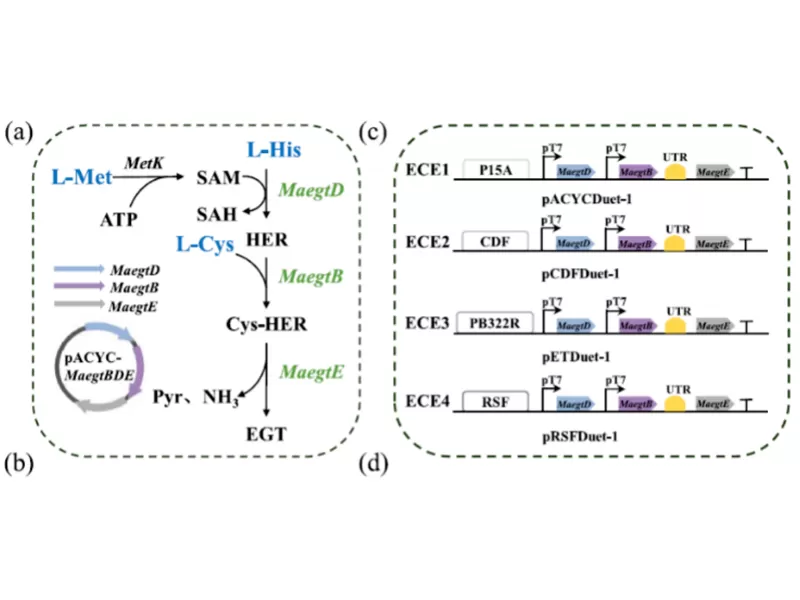
Microbial fermentation (widely used in food and supplement applications)
Chemical synthesis processes
Plant enrichment techniques that increase natural GABA levels under controlled conditions
Among these, microbial fermentation is commonly preferred for nutritional ingredient production due to its scalability and purity control.
GABA is widely used in dietary supplements and certain functional food applications, depending on regional regulatory frameworks. Intake levels and usage should comply with local regulatory guidelines. For example, some regulatory authorities have established recommended daily intake limits for GABA in food applications.
| Product Name: | γ-Aminobutyric acid (GABA) | ||
| CAS No.: | 56-12-2 | Ref. standard: | AJ192 |
| Batch No.: | 20251203 | Manuf. Date: | Dec. 03, 2025 |
| Quantity: | 1000kg | Expiry Date: | Dec. 02, 2027 |
| Storage condition: | Preserve in tight, light resistance containers, and store at controlled room temperature. | ||
| Item | Specification | Results | |
| Assay | 99.0%-101.0% | 99.7% | |
| Appearance | White crystals or crystalline powder | White crystalline powder | |
| Identification | As per AJ192 | Conforms | |
| Physical & Chemical Characteristics | |||
| Loss on Drying | ≤0.50% | 0.12% | |
| Residue on ignition | ≤0.10% | 0.05% | |
| pH | 7.0-8.0 | 7.27 | |
| Chloride | ≤0.020% | Conforms | |
| Sulfate (SO4) | ≤0.048% | Conforms | |
| Ammonium (NH4) | ≤0.020% | Conforms | |
| Heavy metals | ≤10ppm | Conforms | |
| Iron (Fe) | ≤30ppm | Conforms | |
| Arsenic (As2O3) | ≤2ppm | Conforms | |
| Microbiological Tests | |||
| Total plate count | ≤1000cfu/g | Conforms | |
| Yeast & mold | ≤100cfu/g | Conforms | |
| Coliforms | Negative/25g | Negative | |
| Salmonella | Negative/25g | Negative | |
| Staphylococcus aureus | Negative/25g | Negative | |
| E. coli | Negative | Negative | |
| Conclusion | Conforms to AJ192 standard. | ||
We accept intemational Express-FedexDHUPs, air shipping and sea shipping, We can ship to all over the word, even to some remote areas, suchas remote areas of Russia, countries near the north and south poles.

Thank you for your interest in our products!
Please noticed that our products are raw materail , only supply for commercial use.
Our products are not available for individual use.