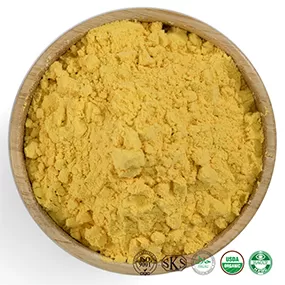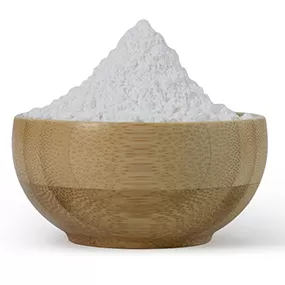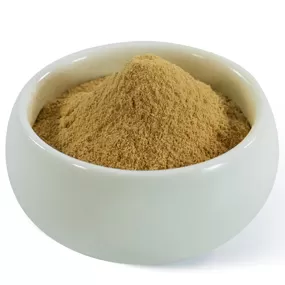

Magnesium glycinate (magnesium bisglycinate) is one of the most widely used chelated magnesium forms in modern dietary supplements because of its high bioavailability and gentle digestive profile. China remains the primary global source for bulk supply. This guide focuses on practical USP-aligned standards and a clear supplier-screening logic so brands can source consistently without repeating the same evaluation steps used for amino-acid ingredients.
Before contacting any factory, lock down the exact elemental magnesium target (commonly ≥11% on a dried basis), preferred mesh size, and whether the material must meet strict USP-style impurity limits. Clarify intended use (capsules, tablets, powders, or gummies) and any market-specific requirements for heavy metals or residual solvents. These early decisions determine which suppliers can realistically meet the project and prevent wasted sample rounds.
A proper specification review goes beyond a simple “USP grade” claim. Check:
Magnesium bisglycinate assay ≥98%
Elemental magnesium content clearly stated on a dried basis
Appearance, particle size, loss on drying, and pH
Heavy-metal limits that align with or are tighter than typical USP guidance
Microbiological results
Request numerical values rather than vague “conforms” language. Consistent elemental magnesium reporting across batches is a stronger quality signal than a generic USP statement.
The essential document set includes:
Batch-specific Certificate of Analysis with elemental magnesium assay
Full product specification sheet
MSDS / SDS
Current FSSC 22000, HACCP, ISO 22000, Halal, and Kosher certificates
Third-party heavy-metal and microbiological reports when available
Keep the COA and specification sheet matched by batch number. This package supports both internal quality approval and export compliance.
Magnesium glycinate is moderately hygroscopic. Confirm that the material is packed in sealed, light-resistant, moisture-barrier containers (usually 25 kg fiber drums with inner polyethylene liners). Ask about desiccant use, recommended storage temperature and humidity, and claimed shelf life under those conditions. Proper packaging is often the difference between stable bulk material and caked or degraded product after ocean transit.
Apply a short screening sequence:
Does the magnesium glycinate factory publish clear elemental magnesium ranges rather than only chelate purity?
Can they supply recent COAs that show consistent results across multiple batches?
Do they hold the core food-safety and religious certifications (FSSC 22000, Halal, Kosher)?
Is packaging designed for international moisture protection?
Can they provide technical support and realistic lead times for bulk volumes?
Factories that score well on these five points usually deliver lower long-term risk. Natural Field manufactures high-purity magnesium glycinate (CAS 14783-68-7) under controlled conditions, with documented elemental magnesium content, low moisture, and full certification support.
What is the guaranteed elemental magnesium content and the analytical method used?
Can you share recent batch COAs that demonstrate consistency?
What particle size and flowability data are available?
How is the powder protected against moisture during packing and shipping?
What is the standard lead time and minimum order quantity?
Do you currently hold FSSC 22000, Halal, and Kosher certificates?
Clear, data-backed answers indicate a professional manufacturing partner.
Natural Field focuses on consistent chelation quality, transparent elemental magnesium reporting, and export-ready packaging. Buyers benefit from factory-direct supply, matched sample-to-bulk documentation, and the ability to coordinate magnesium glycinate with other nutritional ingredients under one quality system.
A: No. Always request numerical assay, elemental magnesium, heavy-metal, and microbiological results that support the claim.
A: The material can absorb moisture. Inadequate barriers lead to caking and reduced flowability after shipping.
A: ≥11% on a dried basis is the typical commercial target; higher levels are available on request.
A: FSSC 22000 (or equivalent), Halal, and Kosher cover the majority of major export markets.
A: Yes. Several established manufacturers, including Natural Field, offer magnesium glycinate alongside other nutritional ingredients under unified quality systems.
A: Request that the commercial batch is produced under the same process parameters as the approved sample and that both COAs are supplied for direct comparison.
How to Choose the Right Nutraceutical Ingredients Supplier for Your Business?
Selecting Quality Creatine Monohydrate Powder: A Professional Buying Guide
By anchoring decisions in clear USP-aligned specifications, complete documentation, moisture-protected packaging, and a structured supplier-screening logic, brands can source magnesium glycinate powder from China with greater confidence and lower risk of production or compliance issues.
For samples with full elemental magnesium data, current COAs, or bulk quotations, contact a qualified Chinese magnesium glycinate supplier that demonstrates transparent reporting and consistent quality systems.

Professor and Ph.D. Supervisor, School of Pharmaceutical Sciences, Southern Medical University. Head of the Functional Ingredient R&D Center, Natural Field. Professor Chong Li is a distinguished researcher in the field of advanced drug delivery systems and pharmaceutical technology innovation.
 EN
 es
 jp
 ko
 fr
 de
 it
 ru
 pt
 th
 ar
 ms